
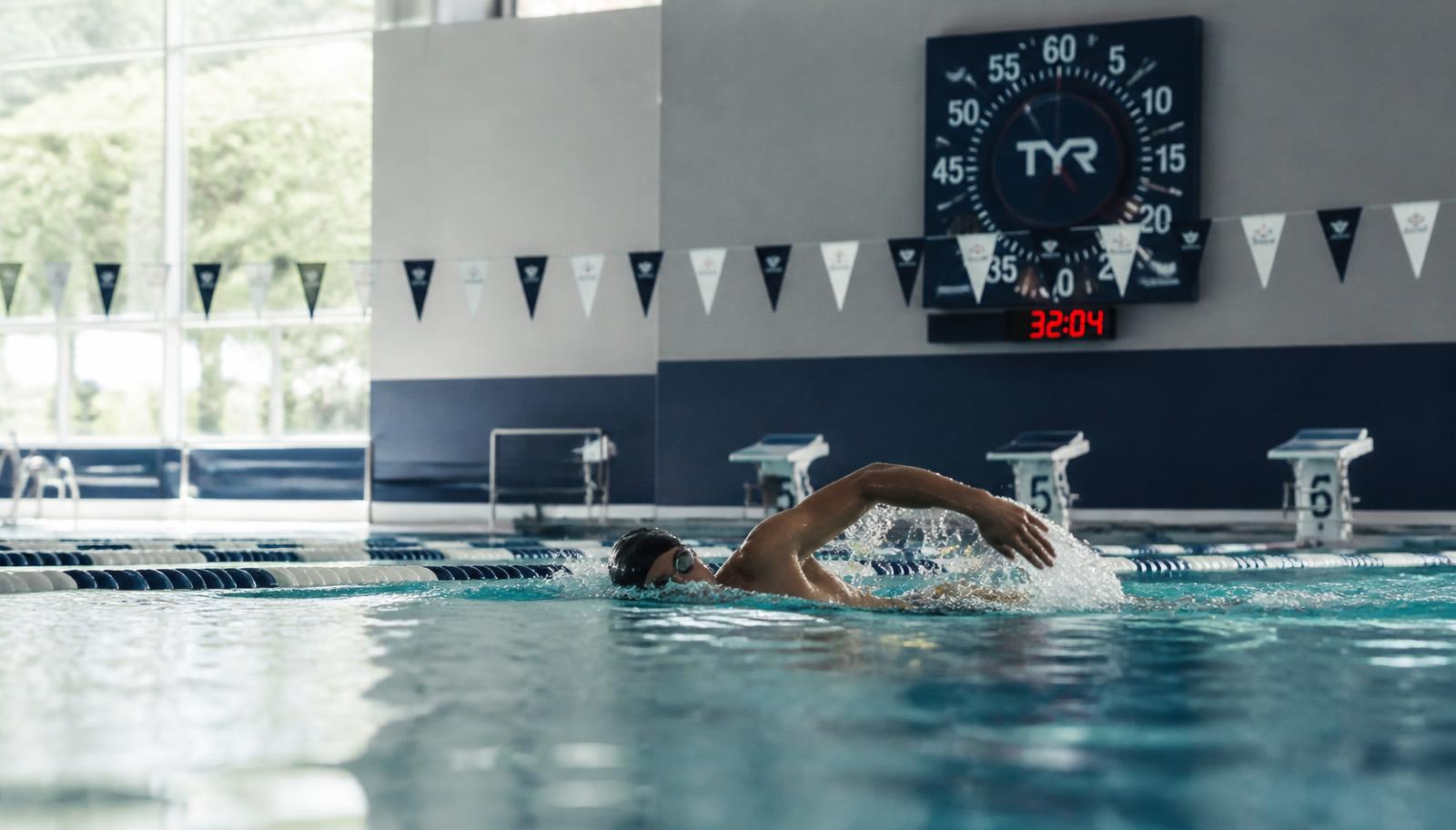
Swim Pace Calculator
Turn your 400m swim time into your average pace per 100m and estimated swim times for common triathlon distances.
Use our free Swim Pace Calculator
Simply enter your 400m swim time and the calculator will instantly show how that pace translates across distances from 100m through to a full 3,800m Ironman swim.
Whether you're training for your first Sprint Triathlon or building towards a longer-distance event, understanding your triathlon swim pace can help you pace your sessions, measure progress and get a clearer idea of your current swimming ability.
Calculate Your Triathlon Swim Pace
Enter your 400m swim time in minutes and seconds.
Enter your 400m swim time above to calculate your pace per 100m and see estimated swim times for Sprint, Olympic, Half Ironman and Ironman distances.
These are estimated swim times based on maintaining your 400m pace. Open-water conditions, sighting, wetsuits and other swimmers can affect your race-day pace.
Retest your 400m time periodically as your fitness improves to keep your swim pace and estimated times up to date.
How to Use the 400m Swim Pace Calculator
Using the 400m swim pace calculator is easy.
Enter the minutes and seconds from your 400m swim. The calculator will work out your average pace per 100m and show your estimated time at that same pace for:
- ✓100m
- ✓200m
- ✓400m
- ✓750m — Sprint Triathlon
- ✓1,000m
- ✓1,500m — Olympic Triathlon
- ✓1,900m — Half Ironman
- ✓3,800m — Ironman
For example, if you swim 400m in 8:00, your average pace is 2:00 per 100m. At the same pace, 750m would take approximately 15:00 and 1,500m approximately 30:00.
Why Is Triathlon Swim Pace Important?
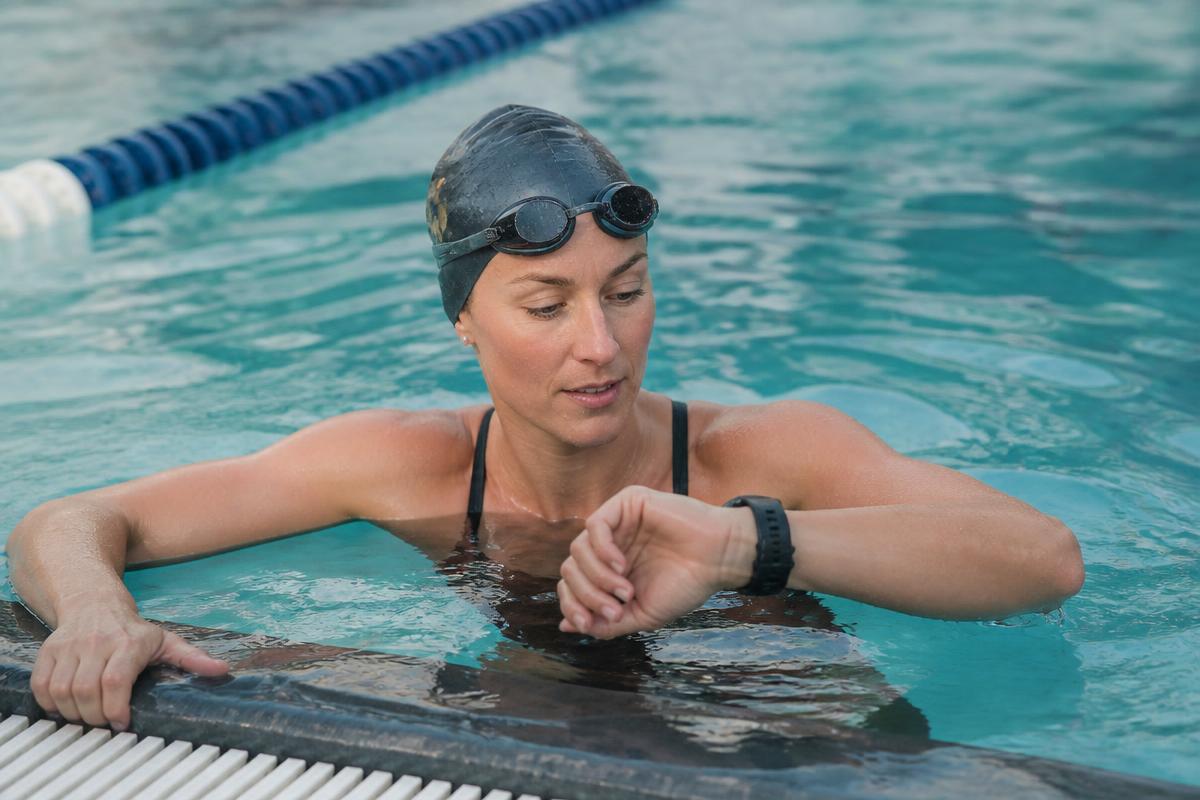
Pacing is an important skill for beginner triathletes. Swimming the opening few hundred metres too quickly can use valuable energy you'll need later for the bike and run.
Knowing your average triathlon swim pace per 100m gives you a simple benchmark to use during training. It can help you practise maintaining a consistent pace and make it easier to plan interval sessions in the pool.
It's also a straightforward way to track your progress. Repeat your 400m test after several weeks of training and compare the result. As your 400m time improves, your calculated pace and estimated swim times will improve too.
How to Test Your 400m Swim Time
Start with an easy warm-up before beginning your test. When you're ready, swim 400 metres continuously at a strong but controlled effort and record your total time.
In a 25m swimming pool, 400m is 16 lengths. In a 50m pool, it's 8 lengths.
Avoid sprinting the first few lengths. Try to maintain an even effort throughout the 400m so the result gives you a useful indication of your current swimming pace.
What Do the Estimated Triathlon Swim Times Mean?
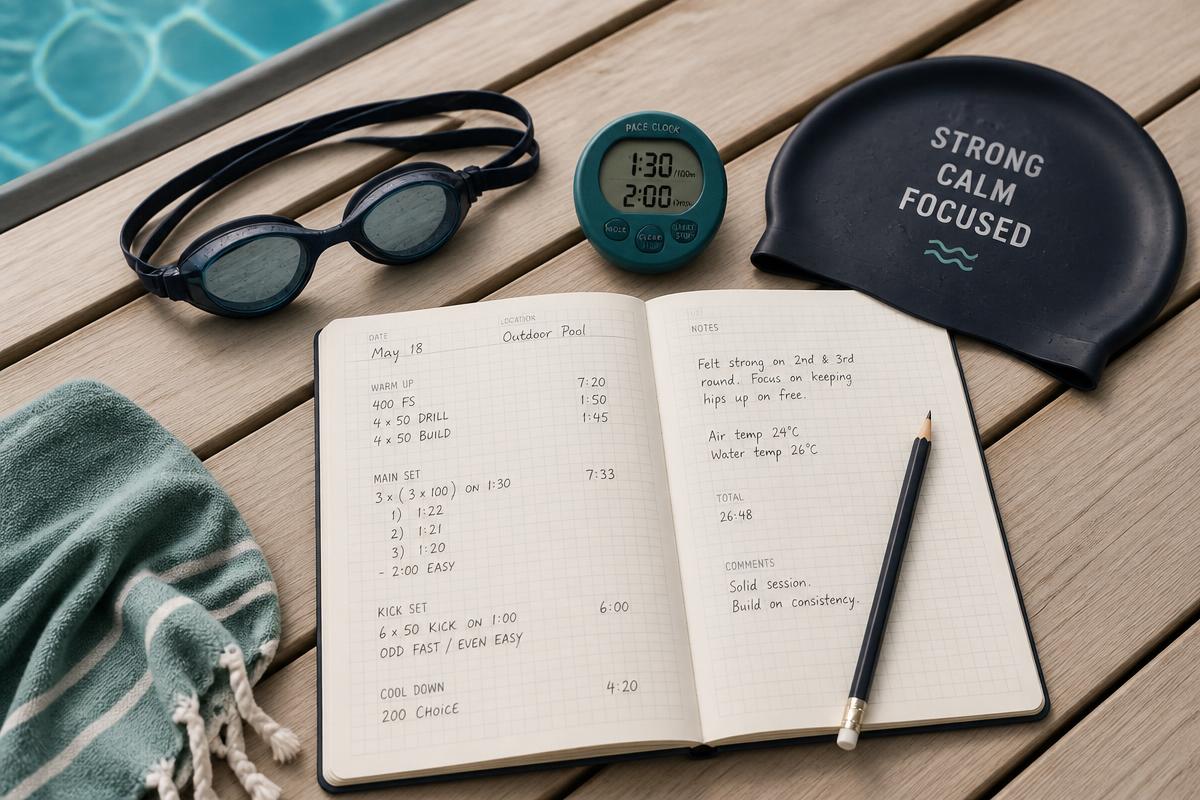
The race-distance times shown by the calculator assume that you can maintain your 400m average pace over the entire distance.
They should therefore be treated as useful estimates rather than predicted race times.
Maintaining your 400m pace for 750m may be achievable for some swimmers, but maintaining it for 1,900m or 3,800m can be considerably harder. Your endurance, experience and training will all influence your actual pace over longer distances.
Open-water swimming also introduces other factors, including sighting, waves, currents, water temperature, wetsuits and swimming around other competitors.
Use the estimated times as a simple reference point for training and goal setting, rather than a guarantee of your race-day result.
Keep exploring
Find more swim advice in the Swimming section, or head back to Free Tools for more practical training resources.