
Choosing Your First Pair of Running Shoes
Comfort and fit matter far more than marketing jargon or carbon plates.
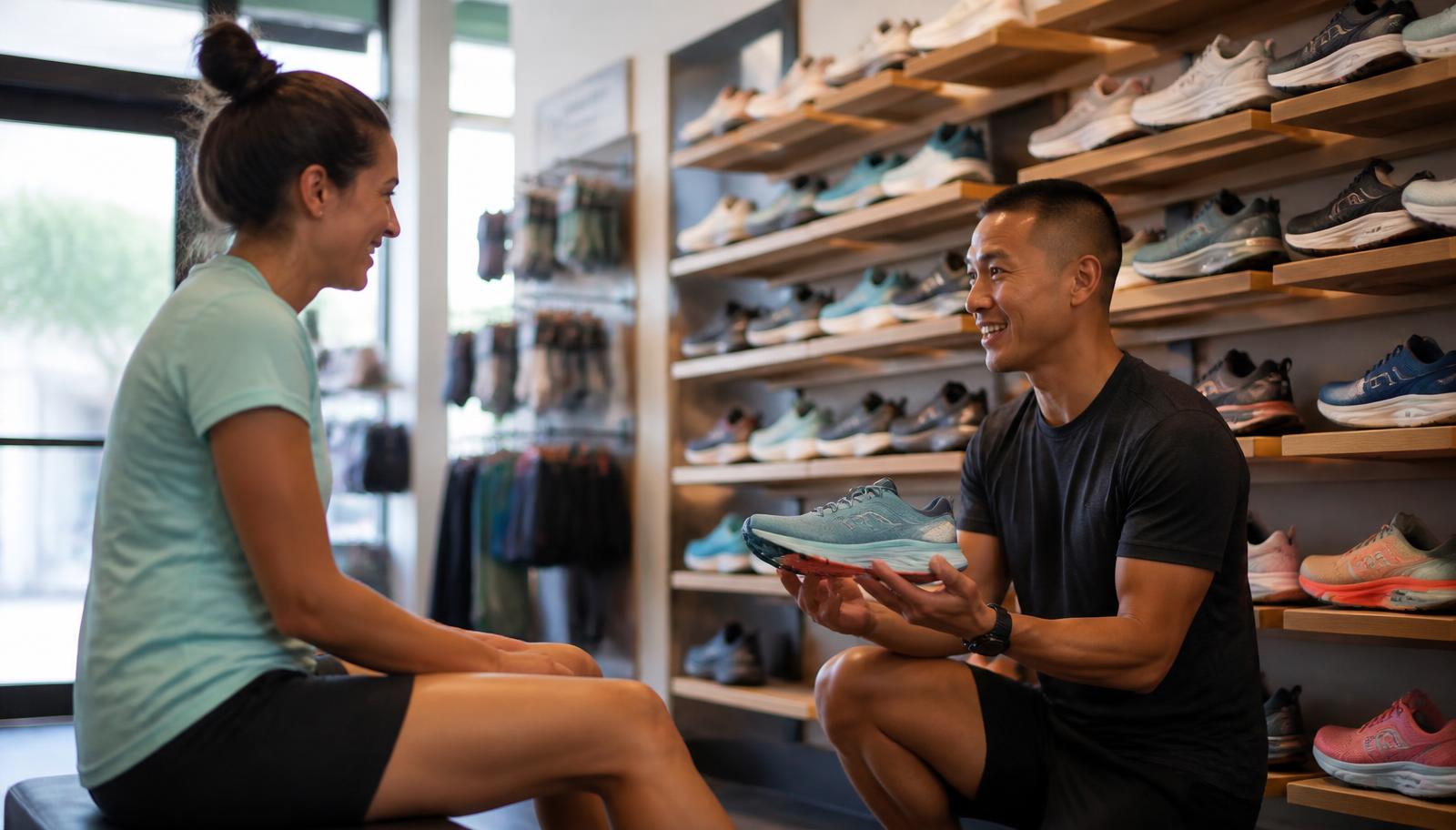
Walk into a running shop and the choice can be overwhelming. Lightweight foams, different heel-to-toe drops, maximum cushioning, stability shoes and carbon plates can make choosing your first pair of running shoes seem far more complicated than it needs to be. As with all things sport, you can spend a fortune on equipment that will not magically make you faster.
For a beginner triathlete, comfort and fit should come before technology.
There is no single 'best' shoe
There is no single “best” running shoe for everyone. Your foot shape, running style, body weight, preferred level of cushioning and the surfaces you normally run on can all influence what feels right. You really need to try different shoes because individual comfort and support requirements vary considerably.
A good everyday running shoe should feel comfortable from the moment you put it on — like slippers. Your toes need room to move, your heel should feel secure and there should be no obvious rubbing or pressure points.
Try before you buy
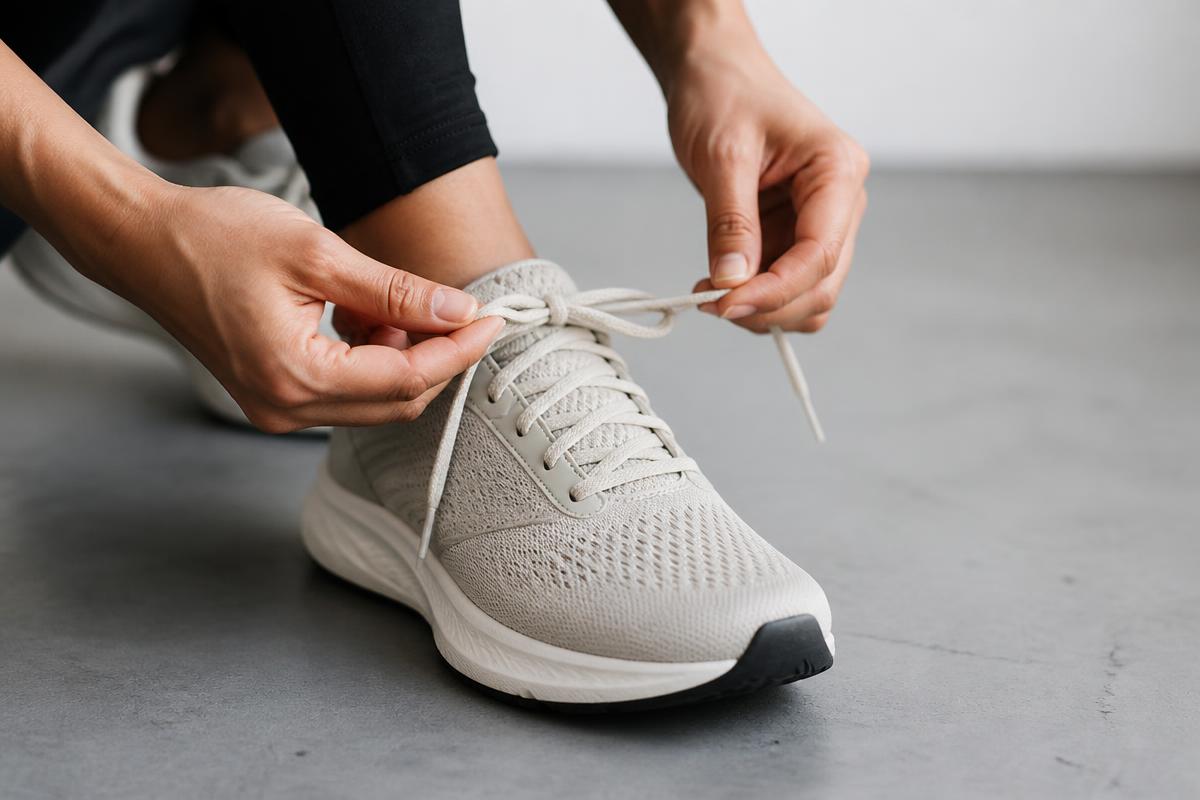
A specialist running shop can be useful because you can try several different models rather than simply choosing a shoe because of its appearance, advertising or popularity.
Over the years I have tried many different brands and models but seem to come back to one brand. Speaking to friends this seems to be a common theme — but you will need to find that comfy pair for you and not be swayed by someone trying to push you along a certain path.
Socks are also important. Cheaper socks have seams that can rub the skin, so look for socks that have minimal seams.
You don't need carbon-plated shoes
You will see plenty of carbon-plated “super shoes” at triathlons and running races. They are designed primarily to improve running efficiency and speed, particularly during faster racing. However, they are also expensive, often less durable and can feel considerably stiffer or less stable than normal training shoes.
For someone beginning their triathlon journey, carbon-plated shoes are unnecessary. There is advice on many websites that specifically advises that beginners do not need the small performance benefit they offer at this stage.
Choose comfort first
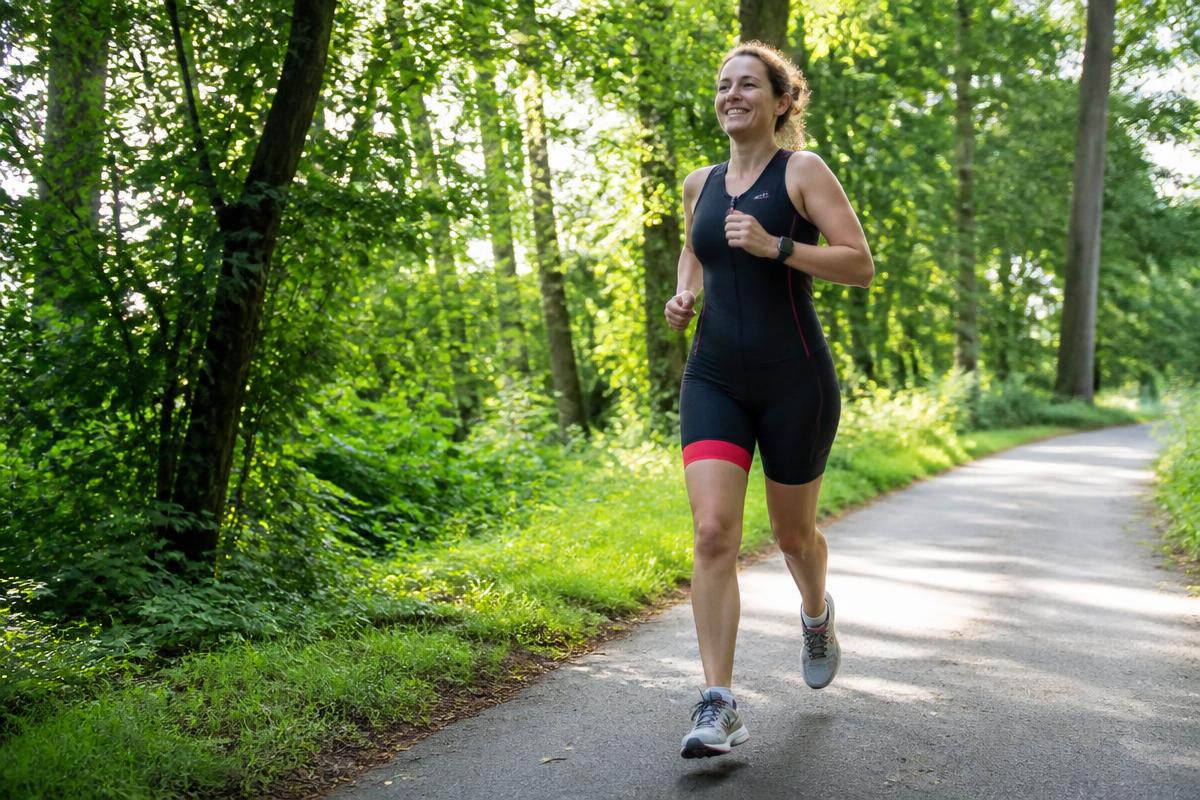
Your first priority is building your running fitness, gradually increasing your distance and staying consistent. Triathlon already comes with plenty of equipment, and it is very easy for the amount of kit involved to grow quickly. Online marketplaces are full of expensive sports equipment that people bought then abandoned their goals.
A comfortable pair of everyday running shoes that you are happy to train in regularly is far more valuable than an expensive pair promising marginal gains. If this is your first pair, some advice and trying a few different brands could be beneficial.
The key takeaway
Choose comfort first. The speed can come later.
Keep exploring
Find more running advice in the Running section, including tips on brick runs, run-walk strategy and building mileage safely.