

Easy Pace Running for Triathletes
Build endurance, recover better and enjoy running by keeping most of your miles genuinely easy.
Easy pace running is one of the most important parts of a beginner triathlon training plan. It helps you build endurance, improve aerobic fitness and recover between harder sessions without placing unnecessary stress on your body and to avoid injury.
For most beginner triathletes, the majority of running should feel comfortable and controlled rather than fast or exhausting. This can feel strange at first, especially if you think every run needs to be hard to improve. But easy running creates the aerobic base (ability for your body to use oxygen efficiently) that supports longer runs, faster sessions and stronger race-day performance.
What should an easy running pace feel like?
An easy pace should feel relaxed enough that you could continue for longer than planned. Your breathing should be steady, and you should be able to speak in full sentences.
This is often called the talk test. If you can comfortably hold a conversation while running, you are probably close to the right effort. If you can only say a few words before needing another breath, slow down.
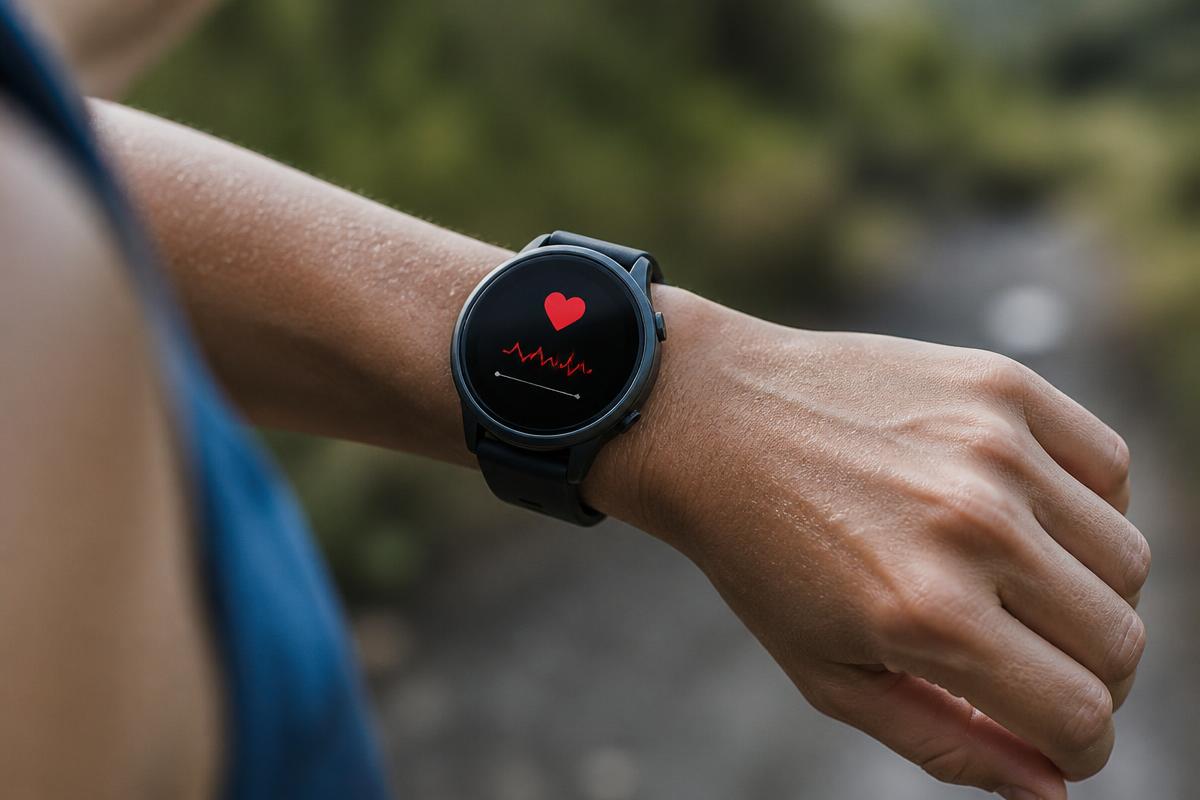
You can also use Rate of Perceived Effort (RPE) to judge your pace. On a scale of 1 to 10, an easy run will usually feel around 3 to 4 out of 10. You are working, but the effort should never feel forced. Or use heart rate if you have a smart watch.

What is RPE?
RPE stands for Rate of Perceived Effort. It is a simple way of measuring how hard running feels, without needing to rely on pace, heart rate or a running watch.
Instead of focusing on speed, you rate your effort on a scale from 1 to 10.
| RPE | How it feels |
|---|---|
| 1–2 | Very easy. Gentle walking or very light movement. |
| 3–4 | Easy and comfortable. You can talk in full sentences. |
| 5 | Steady. You are working, but still feel controlled. |
| 6 | Moderately hard. Breathing is deeper, but the effort is sustainable. |
| 7 | Hard. Talking becomes difficult and you need to concentrate. |
| 8 | Very hard. Only sustainable for short periods. |
| 9 | Extremely hard. Close to your maximum effort. |
| 10 | Maximum effort. As hard as you can possibly go. |
What heart rate is easy pace?
Heart rate can help guide easy running. For many athletes, easy running falls somewhere around 60–75% of maximum heart rate, which is the highest number of times your heart can beat per minute.
A simple way to estimate your maximum heart rate is to use the formula:
220 − your age
For example, if you are 30: 220 − 30 = 190 beats per minute.
This gives you a rough estimate of your maximum heart rate, not an exact figure. Everyone is different, and your true maximum heart rate may be higher or lower.
Think of this calculation as a useful starting point rather than a precise measurement.
Heat, hills, fatigue, stress and caffeine can all affect your heart rate, and wrist-based heart-rate monitors are not always perfectly accurate.
Easy pace is about effort, not speed
Your easy running pace may change from one day to the next. You might run faster when fresh and slower after a hard bike session, on hills or in warm weather.
For beginner triathletes, the key is to focus on effort rather than pace per kilometre or mile. Walking breaks are completely fine if they help keep the effort easy.
Most importantly, an easy run should leave you feeling as though you could have done a little more. That does not mean the session was too easy — it usually means you judged the effort well.
Finishing with something left in the tank helps you recover properly and means you are more likely to be ready to train again on another day. Pushing too hard on every run can lead to unnecessary fatigue, increase your risk of injury and leave you needing several days to recover before your next session.
The key takeaway
Most of your running should feel easy. Judge it by effort, not pace, and finish each run feeling as though you could have done a little more.
Keep exploring
Find more running advice in the Running section, including Run-Walk: A Smart Strategy, Not a Failure and tips on building mileage safely.