
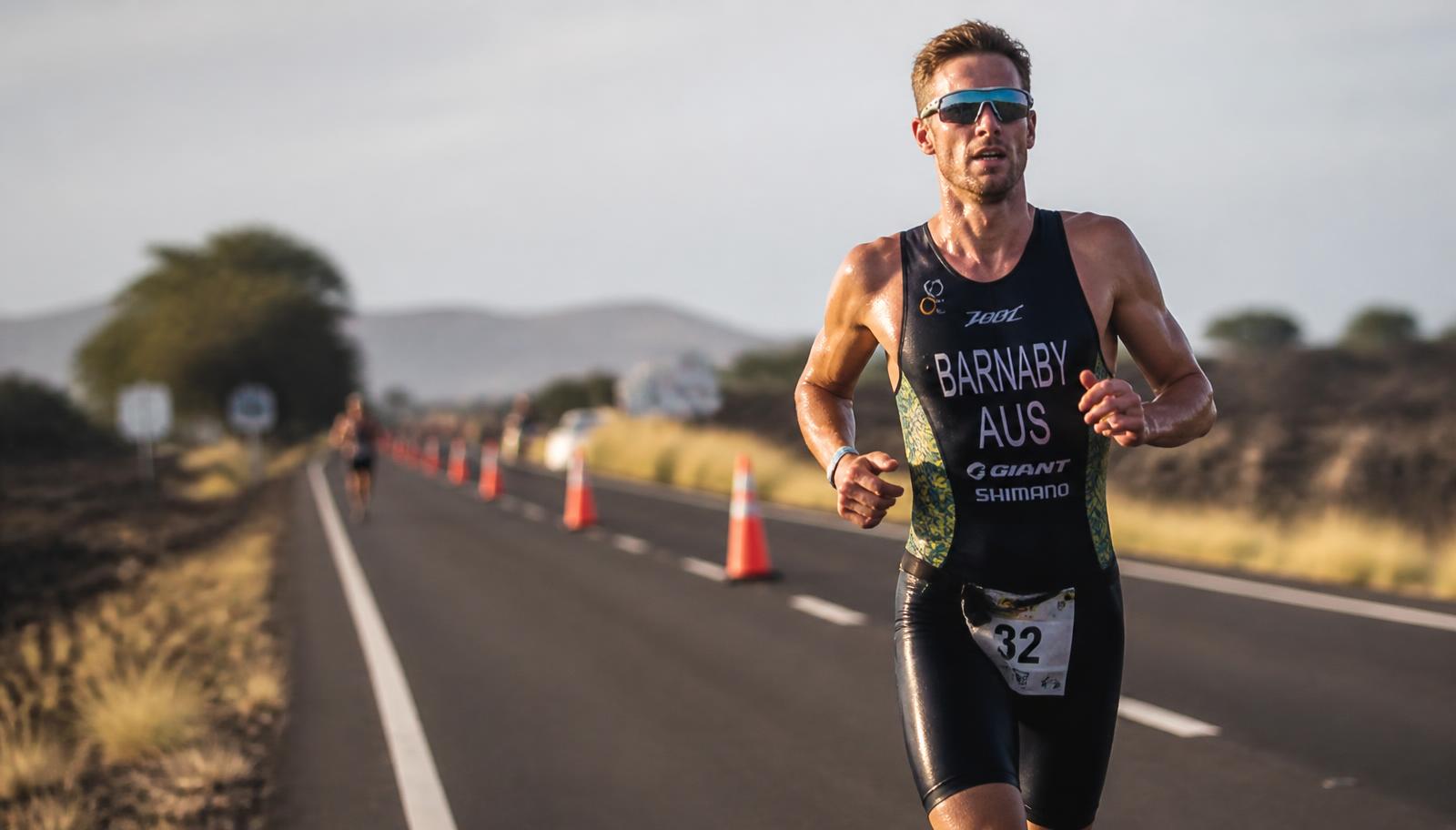
Pacing the Final Leg
Start controlled, settle into your pace and finish stronger than you started.
The run is the final part of a triathlon, and it is where good pacing can make the biggest difference.
After swimming and cycling, your legs may feel heavy when you start running. This is completely normal. The biggest mistake many beginners make is leaving transition too fast because of adrenaline, the crowd and the excitement of being on the final leg.
The aim should be simple: start controlled, settle into your pace and finish stronger than you started.
Keep the first part comfortable
For the first few minutes, resist the urge to chase other runners. This is your race — nobody else's.
Aim for around RPE 4–5 or your preselected heart rate and give your body time to adjust from cycling to running. Your stride may feel short or awkward at first, but it will often begin to feel more natural after a few minutes.
Think about relaxed shoulders, steady breathing and a comfortable rhythm.

Settle into your race effort
Once your legs have settled, gradually move towards the effort you know you can maintain.
For many beginner triathletes, this may feel around RPE 5–6. You should be working, but still feel in control.
Try not to judge your run purely by pace. Hills, weather and fatigue from the bike can all affect how fast you are moving. Focus instead on maintaining a steady effort.
If needed, use short walking breaks at aid stations or on steep sections. A controlled walk can sometimes help you regain your breathing and return to running more strongly.
Do not judge yourself against other people. Time after time I see people rushing past, only for me to see and pass them later as they have pushed too hard.
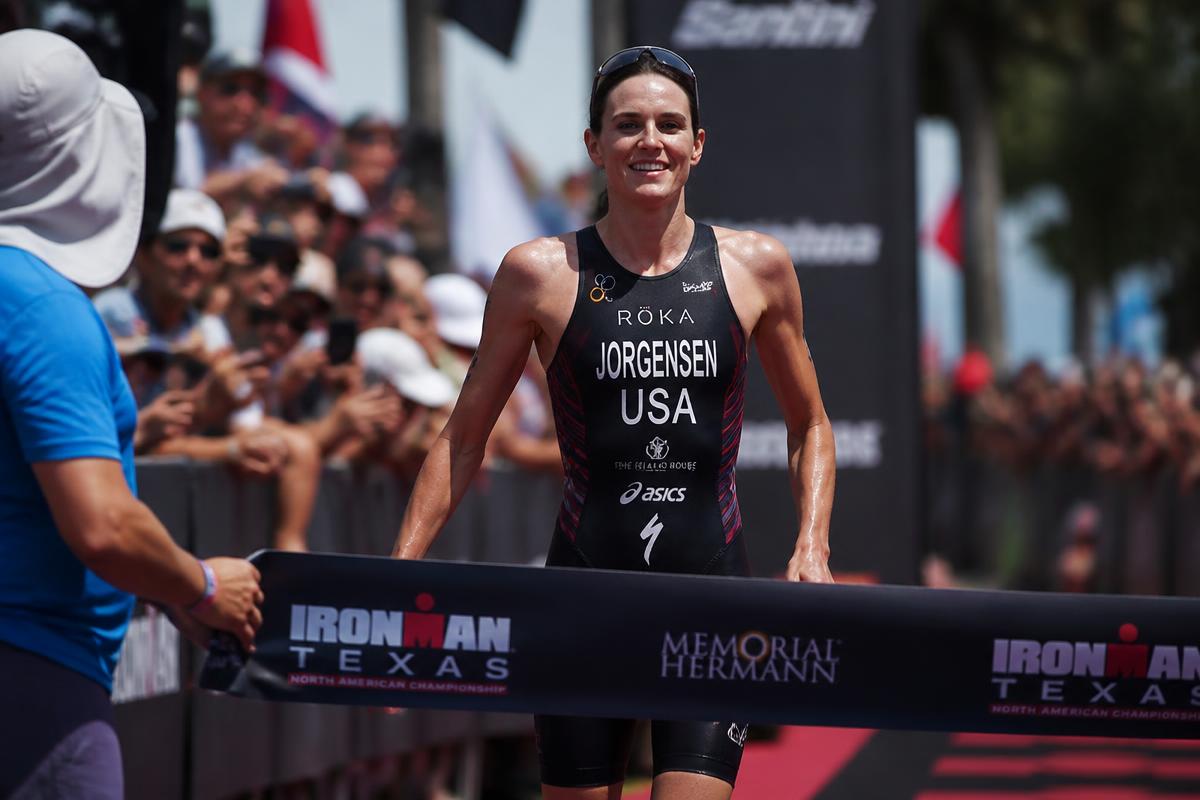
Save something for the final kilometre
If you have paced the run well, you should still have something left as you approach the finish.
With around one kilometre remaining, gradually increase your effort towards RPE 6–7. You do not need to sprint immediately. Simply lift your pace, concentrate on good form and keep moving forward.
As the finish gets closer, increase your effort again if you feel able. It is quite motivational to see and catch someone who has not paced the run in the final stretch to the finish.
A strong finish usually comes from being patient earlier in the run.
The goal is not to run the first kilometre as fast as possible. It is to reach the final kilometre still feeling capable of increasing your effort. This is the “bucket of energy” you need to measure out over the run distance and not pour it all out in the first kilometre.
The key takeaway
Start controlled, stay steady and finish strong.
Keep exploring
Find more running advice in the Running section, including tips on brick runs, run-walk strategy and easy-pace running.