
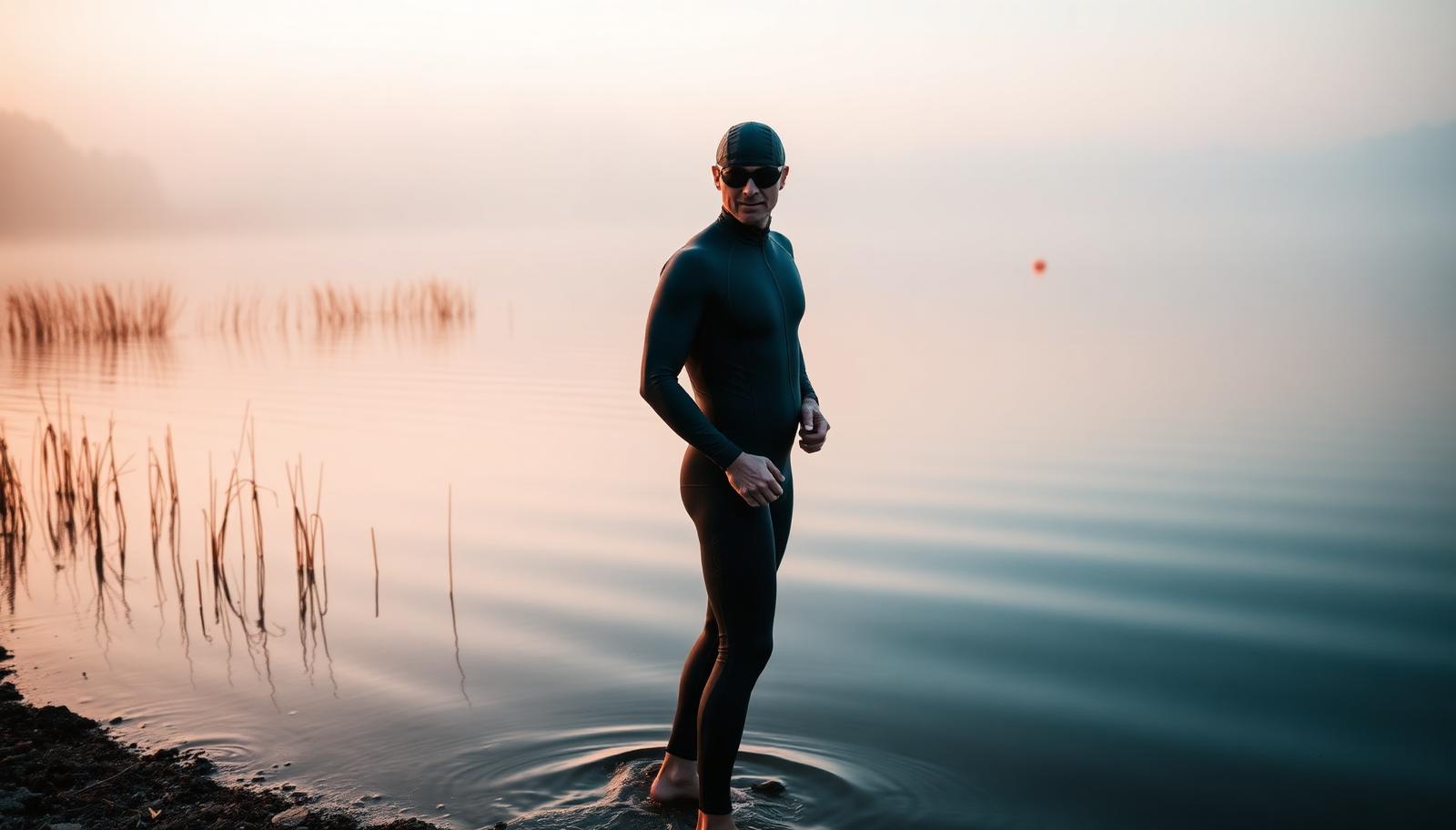
Wetsuit Tips for Triathlon Beginners
Fit, comfort, getting the suit on and off quickly, and how to buy wisely without spending a fortune.
What a swimming wetsuit does
A swimming wetsuit is a close-fitting neoprene suit designed to keep you warmer, improve buoyancy and help you swim more efficiently in open water.
It should feel very snug, but you must still be able to breathe comfortably and move your shoulders freely. If the suit is too loose, water will flush through it and you will lose warmth and buoyancy. If it is too tight around the chest, breathing becomes hard work.
How it should fit
- ✓Snug all over, with no baggy pockets of neoprene
- ✓You can breathe fully and deeply without restriction
- ✓Shoulders and arms can move freely through a full stroke
- ✓Zip does up comfortably without straining the suit
- ✓No rubbing or pressure points around the neck or underarms
Take your time trying suits on. Lift your arms above your head and mimic a swimming stroke. The neoprene should not pinch or restrict movement.
Putting it on
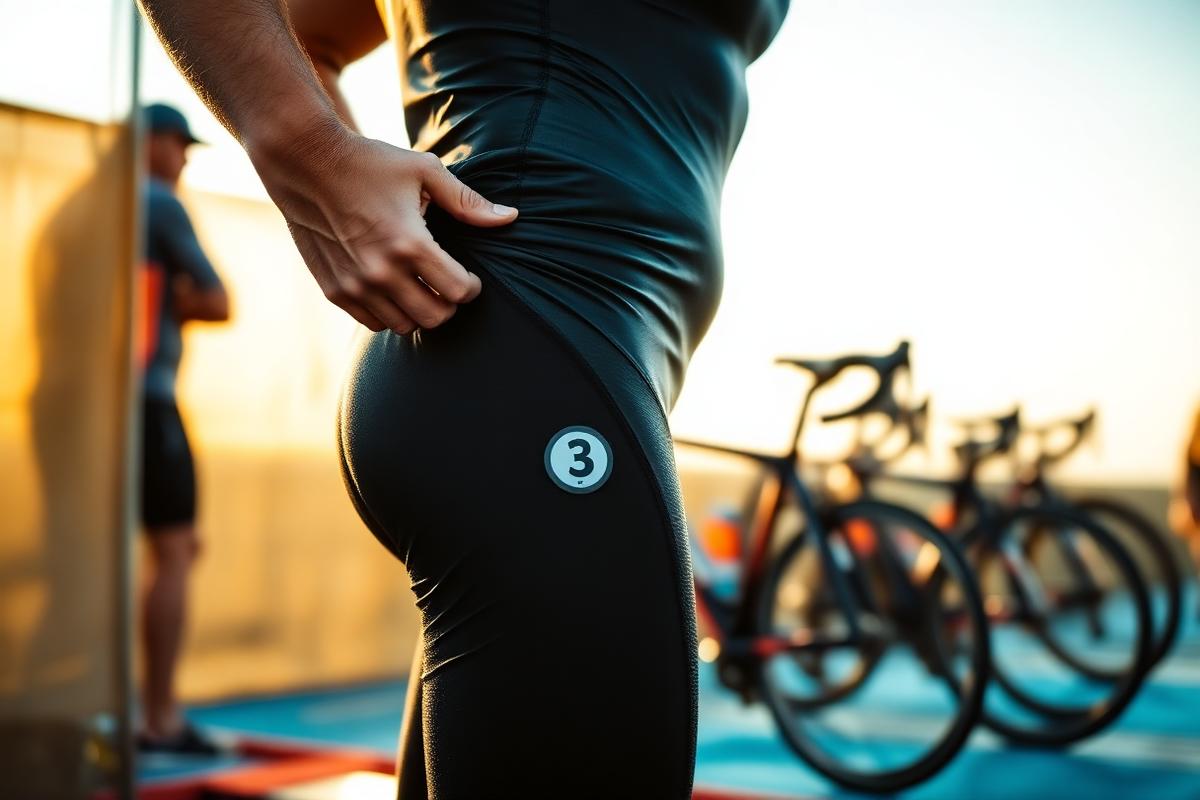
Work slowly from the ankles upwards, pulling small sections of material at a time rather than yanking the neoprene. Work it up over your calves and knees first, then settle the suit around your hips and torso before you start on the shoulders.
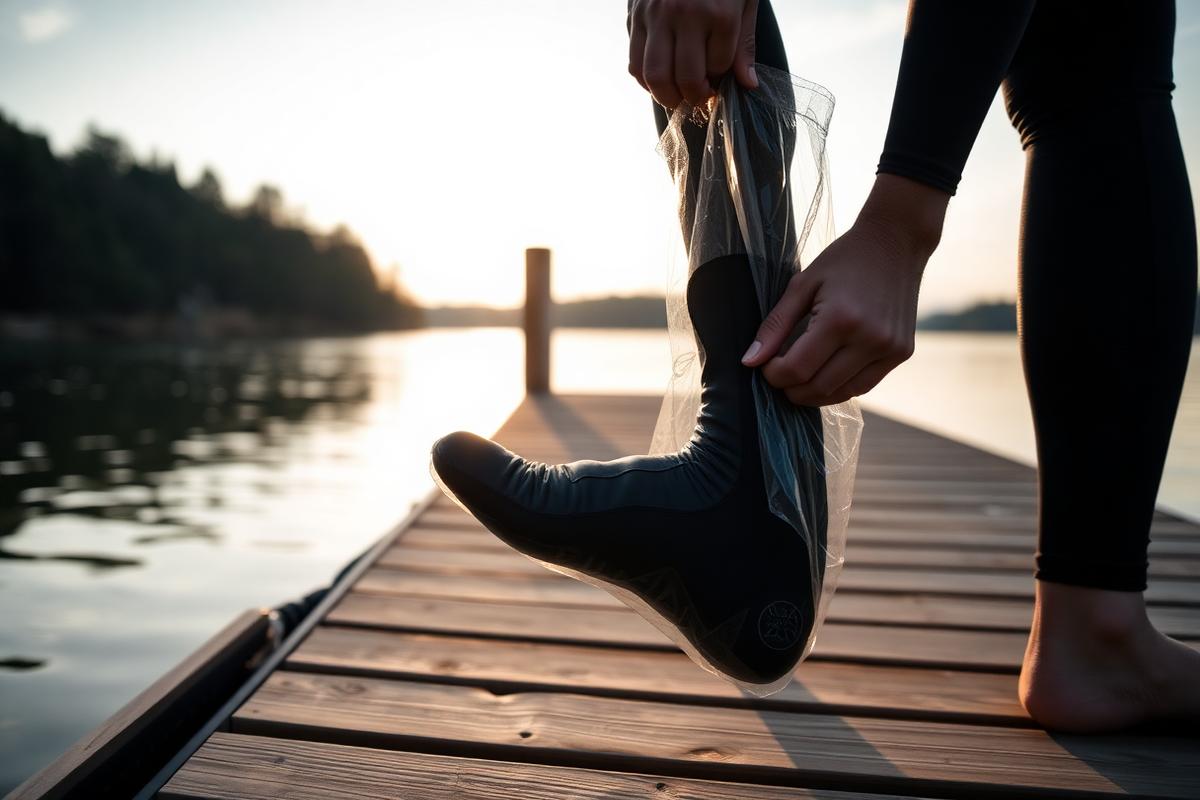
A handy trick is to put your foot inside a plastic bag so it slips through the leg of the wetsuit easily. Once the leg is on, pull the bag out and repeat for the other foot. This saves a lot of tugging and protects the neoprene from sharp nails or jewellery.
Ask someone to help with the zip if needed. Be careful with fingernails and watches — the material can tear more easily than you expect.
If there is a Velcro tab at the top of the zip, always have the drawstring tucked underneath it so you can just pull the drawstring to unzip, without having to detach the Velcro first.
Taking it off quickly in transition
For a quicker transition, practise taking the wetsuit off before race day. During a race, unzip as soon as you leave the water and peel it down to your waist while you are still moving towards transition.
Also take off your hat and goggles as you go, so your hands are free once you reach your bike. Wetsuit-safe lubricant around the ankles and calves can help your legs slide out more easily. Some people cut the legs slightly shorter so they slip off more quickly.
- ✓Unzip as soon as you leave the water
- ✓Peel the suit down to your waist while walking to transition
- ✓Take off your hat and goggles as you go
- ✓Use wetsuit-safe lubricant around ankles and calves
- ✓Practise the full sequence before race day
Quick wetsuit checklist
- 1. Put it on slowly, from the ankles up.
- 2. Make sure shoulders and chest can move freely.
- 3. Tuck the drawstring under the Velcro tab at the neck.
- 4. Practise unzipping and peeling it off at home or before a swim.
- 5. Lubricate ankles and calves for faster removal.
How much to spend
Beginner wetsuits are often around £100–£200. That is plenty to get started, and many entry-level suits are warm, buoyant and comfortable.
Second-hand suits from sites such as eBay can be a great starting point. Check sizing on sites such as Wetsuit Centre, especially if you are not sure what fit works for you.
Premium wetsuits can cost £500 or more. The extra money mainly buys lighter, more flexible neoprene, improved shoulder movement and better-positioned buoyancy. Those benefits are real, but they are not essential for your first triathlon.
You do not need the most expensive suit
A well-fitting entry-level wetsuit will almost always feel better than a top-of-the-range suit that does not fit your body shape. Focus on fit first, then features, then price.
Once you have done a few races and know what you like, you can decide whether a more flexible or lighter suit is worth the upgrade.
Keep exploring
Find more swim advice in the Swimming section, or head to Free Tools for practical training resources.