

A good taper is about arriving at the start line rested, well fuelled and ready to race. In the final seven days before your triathlon, you are not going to gain much extra fitness, so resist the temptation to squeeze in one last hard session. Reduce your training volume, keep a little light intensity, and focus on recovery.
The takeaway is that you cannot get any fitter, but you can definitely ruin your race day. At this point you have to trust your training and your race day plan.
The taper is a strange feeling, because you will have been training for a number of weeks — or considerably longer for long course triathlons. Then you are expected to reduce your efforts and even take extra days off, which can be physiologically challenging. It leads people to believe they are losing everything they have trained for, so they go out and push too hard and then totally ruin all the good training.
7 days before race day
Keep training light and familiar. Short swims, easy rides and relaxed runs are enough to keep your body moving without creating unnecessary fatigue. Your last week consists of this light training and how you feel. Maybe take an extra day off, but don't overdo it.
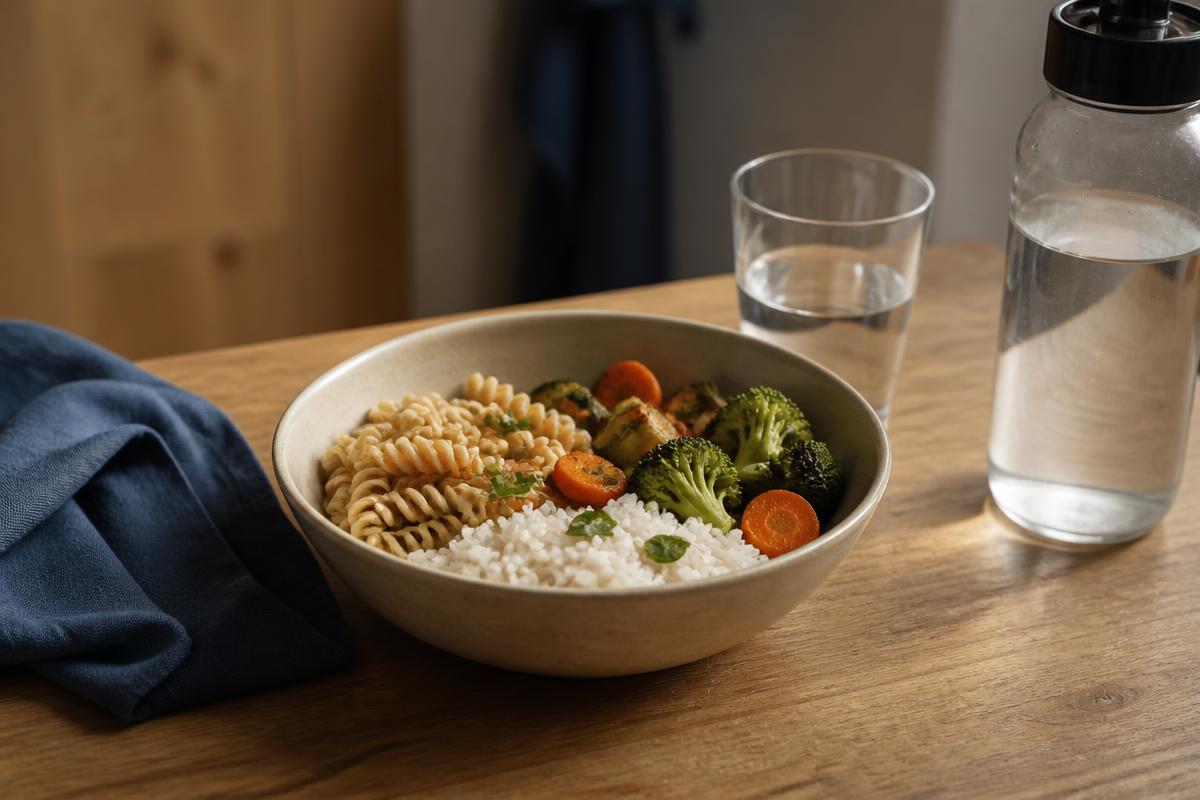
What works for me is to eat mostly real, familiar foods and reduce ultra-processed foods, takeaways and fast food along with alcohol. I aim for balanced meals containing carbohydrates, vegetables or fruit, healthy fats and enough protein to support recovery. That’s a personal preference, not a requirement for successful tapering.
You do not need to eat huge amounts of carbohydrates. For most beginner triathletes, simply maintaining a good carbohydrate intake is enough. Foods such as rice, potatoes, pasta, oats, bread and fruit can help keep your energy stores topped up.
During the final week, consider reducing added sugar, particularly sweets, cakes, fizzy drinks and heavily processed snacks.
3 days before
Keep drinking regularly throughout the day and carry a water bottle with you, especially if you are in air conditioning, so you arrive at race weekend well hydrated. There is no benefit in suddenly drinking excessive amounts of water.
If you regularly drink coffee, you may choose to reduce your caffeine intake during the final three days. Avoid stopping suddenly if you are prone to caffeine-withdrawal headaches. This will help on race day in that your body will feel the effect, either with a morning coffee or if you are offered a drink of coke on the run.
I also prefer to avoid red meat during the final three days, choosing lighter protein sources such as chicken, fish, eggs, yoghurt or familiar plant-based options instead. This is not essential for everyone, but lighter meals may feel easier to digest.
Prioritise sleep
Try to get several nights of good-quality sleep before race day. Do not rely on the night immediately before the race.
It is very common to sleep poorly the night before a triathlon. Nerves, excitement, an early alarm and a busy mind thinking about the race can all make switching off difficult. Even after years of competing, this is still a normal pre-race night for me. The longer triathlons tend to start very early, so the night is severely disturbed, adding to the nerves.
If you have slept well during the previous few nights, one restless night is unlikely to ruin your race.

The day before
Think about how you feel. It is definitely too late to add fitness, but maybe a very light 20-minute indoor bike to get the legs moving, or — if the race allows it — testing the water in an open water swim, which can be beneficial.
Keep meals simple, familiar and carbohydrate-focused without overeating. Avoid experimenting with new foods.
Eat early, or even have your biggest meal at lunchtime and a protein rich snack early evening, but don't go to bed hungry.
Stay hydrated, prepare your equipment early, put your feet up and trust the training you have already done.

The key takeaway
The goal of taper week is simple: arrive rested, fuelled and excited to race. Trust the training you have already done.
Keep exploring
Plan the rest of your race build-up with the Free Tools section, including the Swim Pace Calculator, and read our guide to Race Day Transitions so race morning feels calm and organised.