
Moving Up to a 70.3 Half Ironman
The bigger commitment: longer training, fuelling, family support, indoor cycling and aero equipment.
Moving from sprint or Olympic-distance racing to a 70.3 Half Ironman is a much bigger step than simply adding a few extra kilometres. With a 1.9 km swim, 90 km bike and 21.1 km run, the challenge becomes one of endurance, pacing, fuelling and time management.
The first thing to recognise is that the training commitment usually increases. You do not need to become a full-time athlete, but you will need more consistency and more time for longer sessions. Weekend rides often become two to three hours, long runs gradually extend, and swimming needs to become comfortable enough that 1.9 km does not leave you exhausted before the bike even starts.
This is also the point where family and partner support becomes genuinely important.
Training for a 70.3 can affect weekends, evenings and family routines. It is worth discussing the commitment before you start building the training. Agree when your longer sessions will happen, which family events take priority and where you can be flexible. Involving your partner in the plan can prevent training from becoming a constant source of friction.
A 70.3 should fit around your life, not quietly take it over.

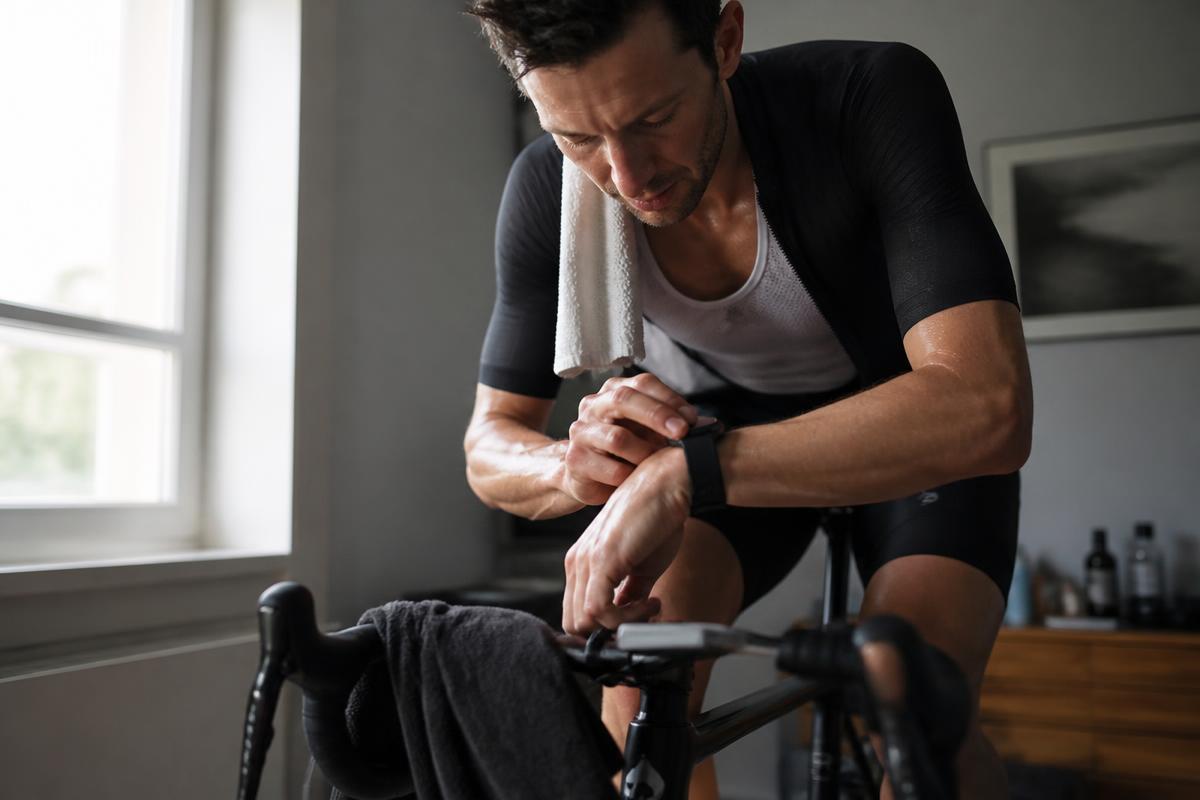
This is also where indoor cycling becomes extremely useful. A turbo trainer or smart trainer can save huge amounts of time. Instead of spending extra time preparing routes, dealing with traffic or waiting for suitable weather, you can complete a focused 60- to 90-minute bike session at home.
Indoor cycling is especially useful during the working week. You can train early in the morning, after work or while still being physically at home with the family. Longer outdoor rides remain important for bike handling, comfort and race preparation, but indoor sessions can make the overall training load much easier to manage.
At this distance, aerodynamics also start to matter more because you are spending much longer on the bike. That does not mean you need to rush out and buy everything at once, but this is the stage where equipment such as a TT or triathlon bike, aero helmet and well-fitting tri suit can become more relevant.
The key is to prioritise comfort and position before expensive kit. A poorly fitted TT bike or uncomfortable aero position can cost you more than it saves. If you do use aero bars or a TT bike, practise regularly so that the position feels natural and safe before race day.
Nutrition becomes much more important too. You are now racing long enough that you cannot rely on breakfast and determination alone. Practise taking carbohydrates, fluids and electrolytes during longer rides and brick sessions, and work out what your stomach tolerates before race day.
Pacing matters more than ever. The bike should feel controlled enough that you can still run a half marathon afterwards.
The jump to 70.3 is significant, but it does not require your entire life to revolve around triathlon. With sensible planning, family support, efficient indoor training, practised fuelling and a comfortable aero setup, it can be a very achievable next challenge.