Moving from Sprint to Olympic Distance Triathlon
What changes in training, pacing, nutrition and equipment when you step up to Olympic distance.
Stepping up from a sprint to an Olympic-distance triathlon is a natural next move for many triathletes. The distances are usually around 1.5 km swim, 40 km bike and 10 km run, so the biggest change is not simply going farther — it is learning to manage your effort for longer.
Training
You do not need to double your training. Instead, gradually increase the length of your key sessions and become more consistent.
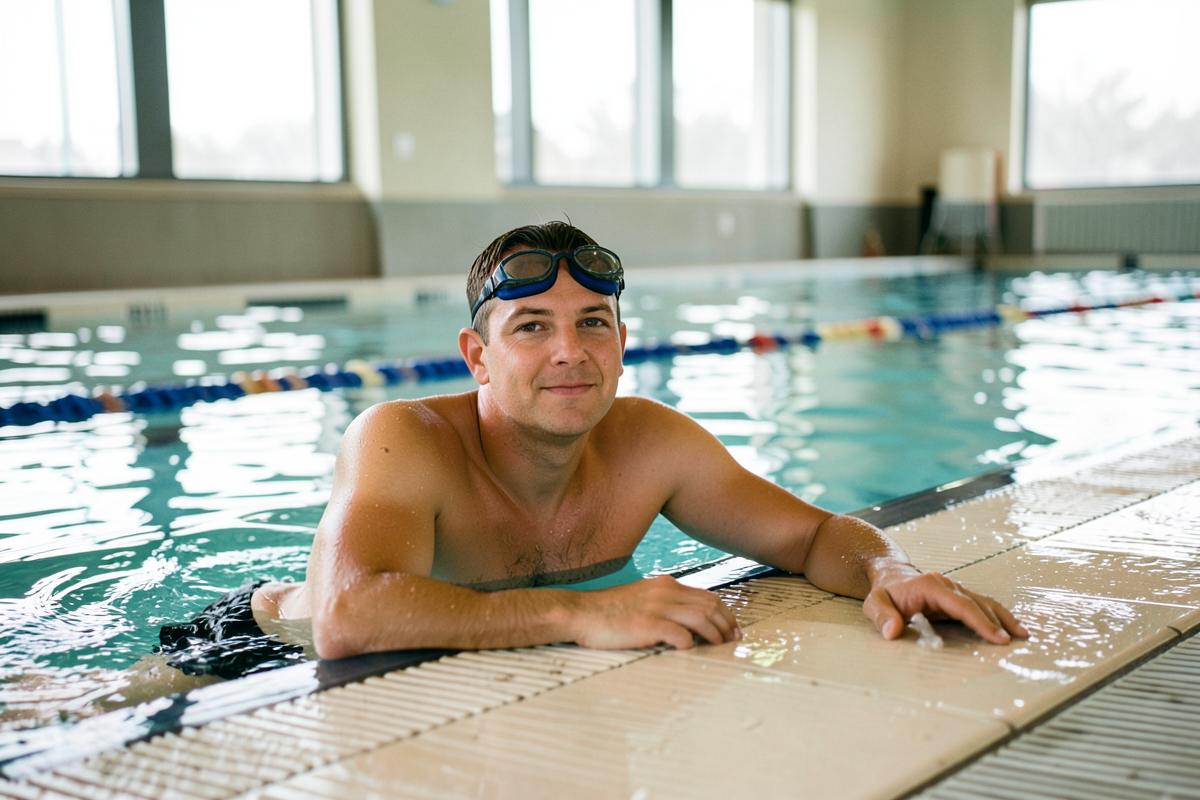
Your long ride might build from 60–75 minutes towards 90 minutes or more, while your longer run may progress towards 60 minutes. Swim sessions should gradually include longer continuous efforts so that 1.5 km feels comfortable rather than intimidating.
Brick sessions also become more useful. A steady bike followed by a short, controlled run teaches you how to settle into running without burning through your energy too quickly.
Most importantly, keep easy sessions easy. Olympic distance rewards patience and pacing more than heroic training sessions.
Nutrition and hydration
For a sprint triathlon, many athletes can complete the race with relatively little fuel. Olympic distance is long enough that nutrition and hydration become more important.
Practise eating and drinking during training rather than experimenting on race day. A simple approach might include water or an electrolyte drink on the bike, plus an easy-to-digest carbohydrate source such as a gel, chew or sports drink.
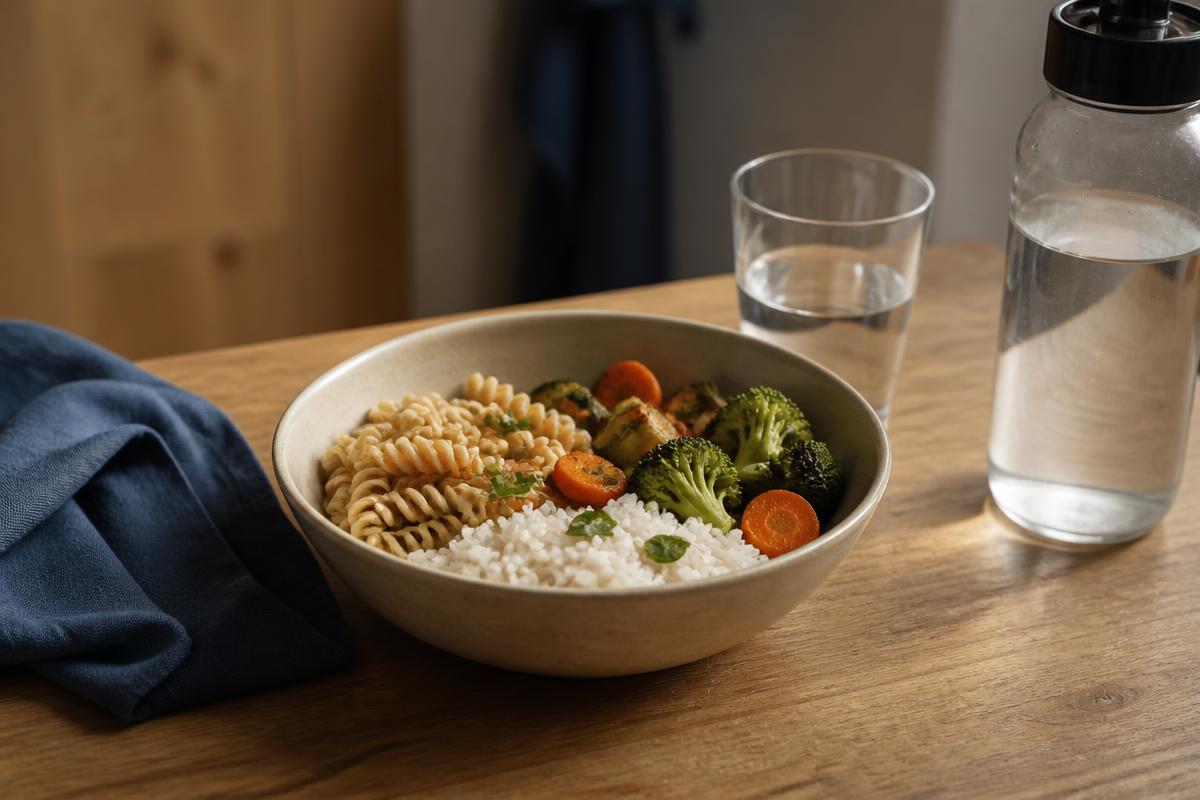
How much you need depends on race duration, conditions and what your stomach tolerates, so use training sessions to find what works for you.
Do not forget breakfast either. Eat something familiar before longer sessions and practise the same routine before race day.
Pacing and aero position
The bike leg is where many people make their Olympic-distance race unnecessarily hard. Riding too aggressively can turn the final 10 km run into survival mode.
Aim for a controlled effort that feels sustainable throughout the bike.
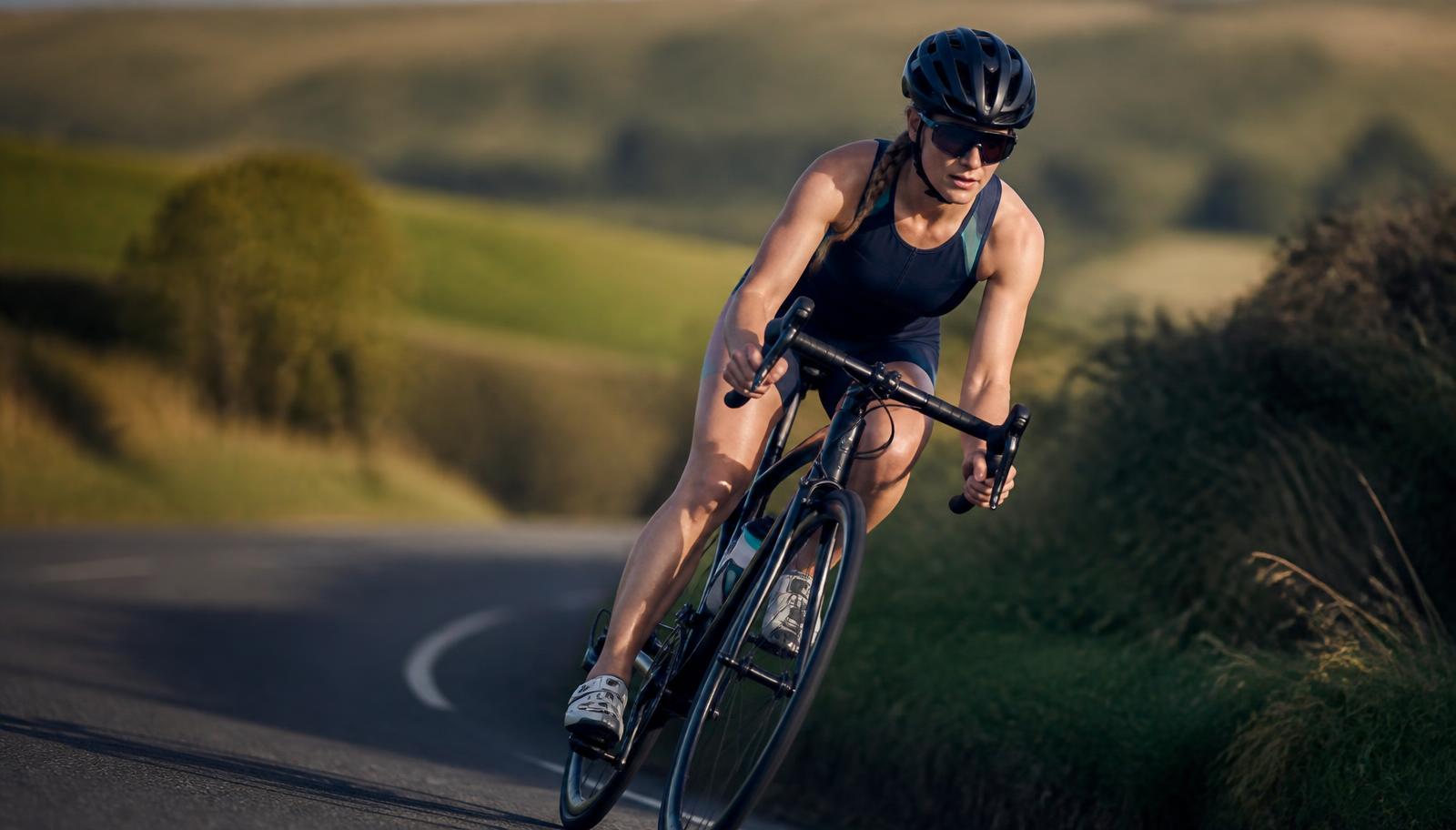
If you use aero bars, practise your aero position regularly before racing. Being aerodynamic can help, but only if you can hold the position comfortably and safely. Comfort, control and good pacing matter more than chasing marginal gains.
The move to Olympic distance is less about becoming a different athlete and more about learning to stay controlled for longer.