
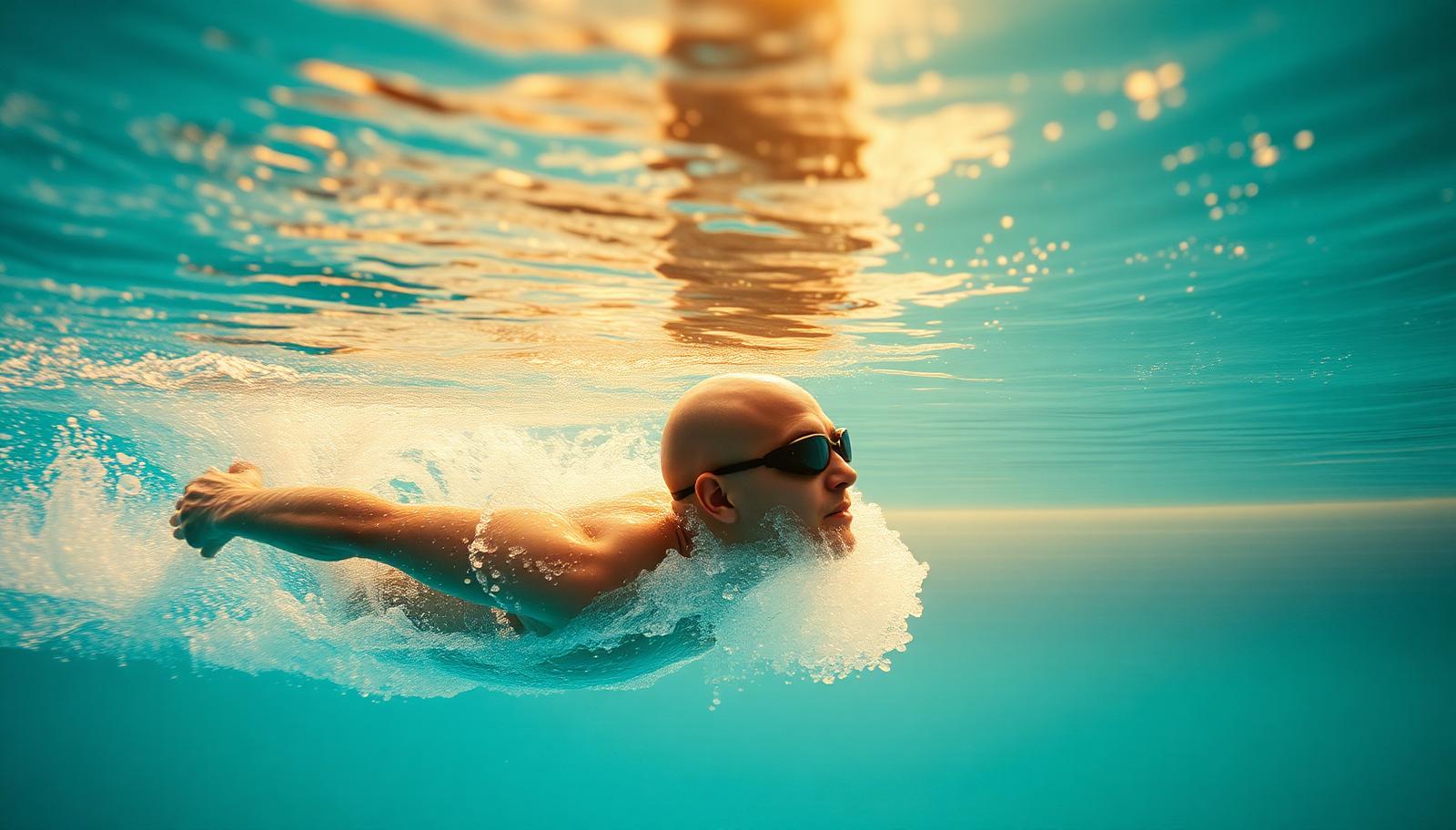
Breathing Basics for Adult Swimmers
Stop holding your breath and start finding a relaxed rhythm that lasts the whole swim.
Breathing is one of the biggest challenges
Breathing is one of the biggest challenges for beginner swimmers, but it becomes much easier once you stop trying to “hold” your breath and start finding a steady rhythm.
The secret is to keep the air moving. Breathe out while your face is in the water, then turn your head and take a calm breath in. Holding your breath builds tension and makes every inhalation feel rushed.
In the pool: find your rhythm
Focus on breathing out gently while your face is in the water. This prevents you from feeling rushed when you turn your head to breathe.
Try breathing every two or three strokes and choose the rhythm that feels most comfortable. There is no single right answer — the best pattern is the one you can keep for the whole swim.
Keep the breath relaxed rather than taking a huge gulp of air each time. A small, smooth breath is usually enough.
Head position matters
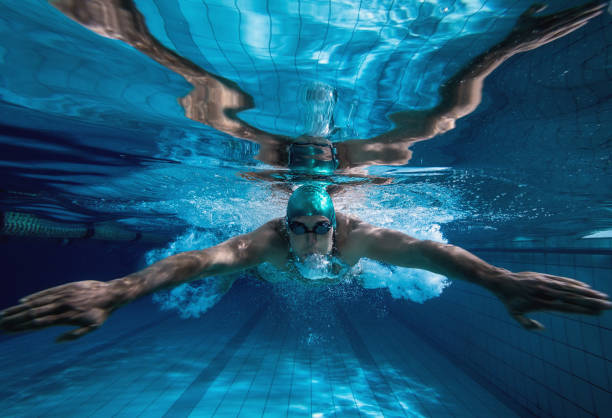
A common mistake is lifting the whole head to breathe. Instead, turn your head to the side and keep one goggle in the water. Your mouth only needs to clear the surface for a moment.
This helps your body stay balanced and saves energy. Lifting your head tends to drop your hips and legs, which creates drag and makes swimming feel harder than it needs to.
A simple breathing rhythm to practise
- 1.Breathe out gently while your face is in the water
- 2.Turn your head to the side and take a relaxed breath
- 3.Return your face to the water and begin exhaling again
- 4.Repeat every two or three strokes
In open water
The same principles apply in open water, but waves, cold water and nerves can make breathing feel harder. Start slowly and give yourself time to settle.
If you feel anxious, shorten your stroke, breathe more often and focus on a long, steady exhale. These three things together usually bring your heart rate back down and help you relax.
It is also useful to practise breathing on both sides, as this can help when waves or other swimmers are on one side. Bilateral breathing is not compulsory, but it is a useful skill to have.
Keep it simple
The key is simple: stay relaxed, breathe continuously, and find a rhythm you can maintain for the whole swim.
You do not need to breathe exactly every three strokes or exactly on one side. The goal is comfort and consistency, not perfection.
Keep exploring
Read more in the Swimming section, or try Overcoming Open Water Anxiety if nerves are making your breathing feel harder.