
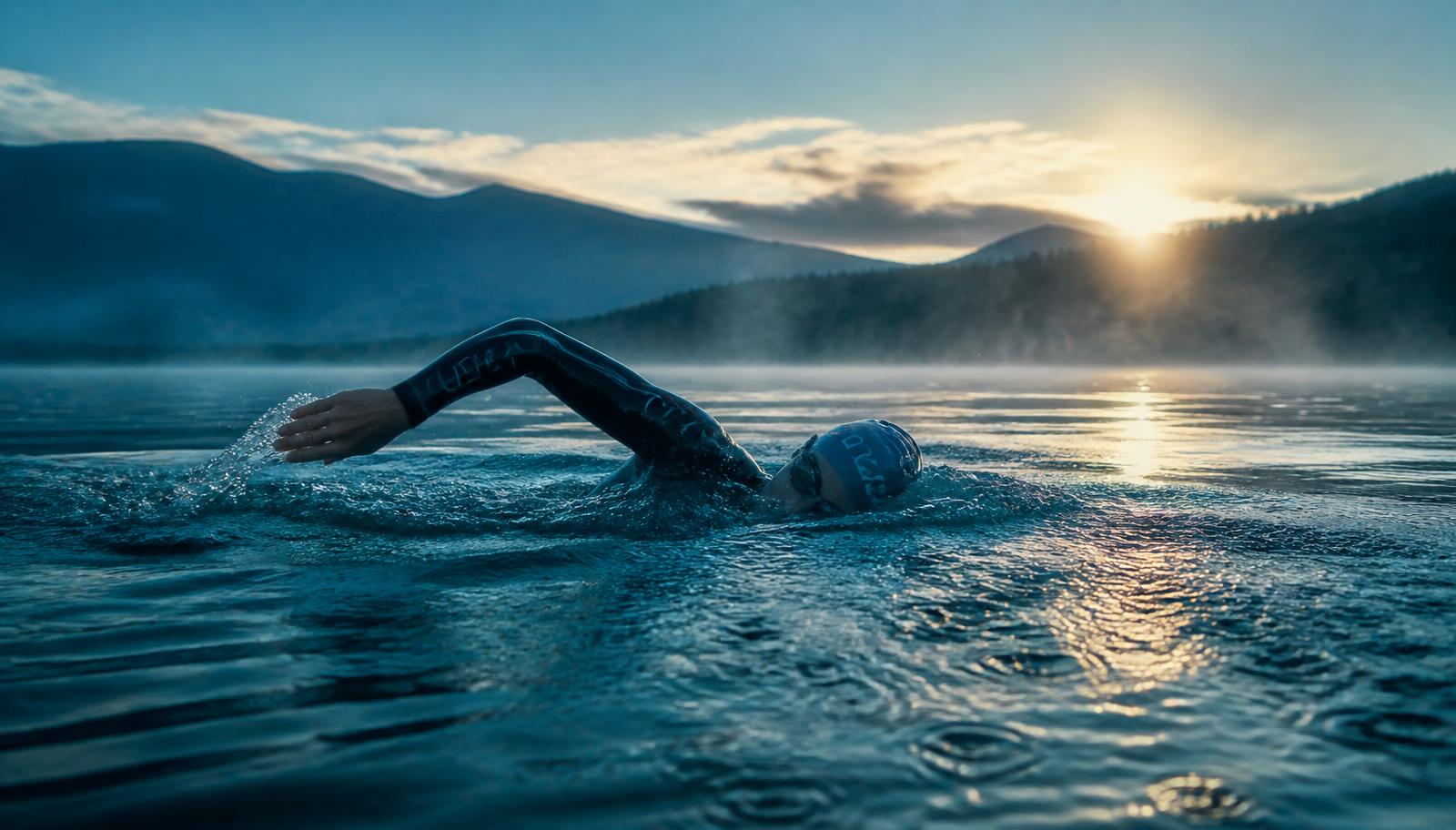
Swim Drills and Techniques for Triathlon
Focused drills and efficient technique for Sprint and Olympic distance swimming.
You can learn to swim well enough for triathlon
Many people say, “I can’t swim, so I can’t do a triathlon.” I used to think the same. When I first started, I asked my son’s swimming teacher to watch me swim. After two lengths, she said she could not understand how I was actually making any forward progress.
Two years later, I completed a full Ironman wetsuit swim in 1 hour 3 minutes. It shows that with consistent practice and a focus on technique, swimming can improve dramatically.
Technique before fitness
For a triathlete, swimming should focus on good body position, relaxed movement and efficient technique, rather than simply trying to swim harder. Swimming lots of lengths will improve fitness and endurance, but focused drills are just as important because they teach you how to move through the water using less energy.
Try to gradually build up to swimming further than your race distance. For a Sprint triathlon, aim to become comfortable swimming around 750m–1,000m. For an Olympic-distance triathlon, build towards approximately 1,500m–2,000m. If you are swimming in open water, a wetsuit can also provide extra buoyancy and help your body sit higher in the water.
Work with the water, not against it
Water is around 800 times denser than air, so fighting against it will quickly wear you out. The aim is to work with the water by staying long, balanced and streamlined. In triathlon, your objective is not simply to get through the swim as fast as possible. You want to exit the water in a good physical state, with enough energy left for the bike and run.
Front-quadrant swimming
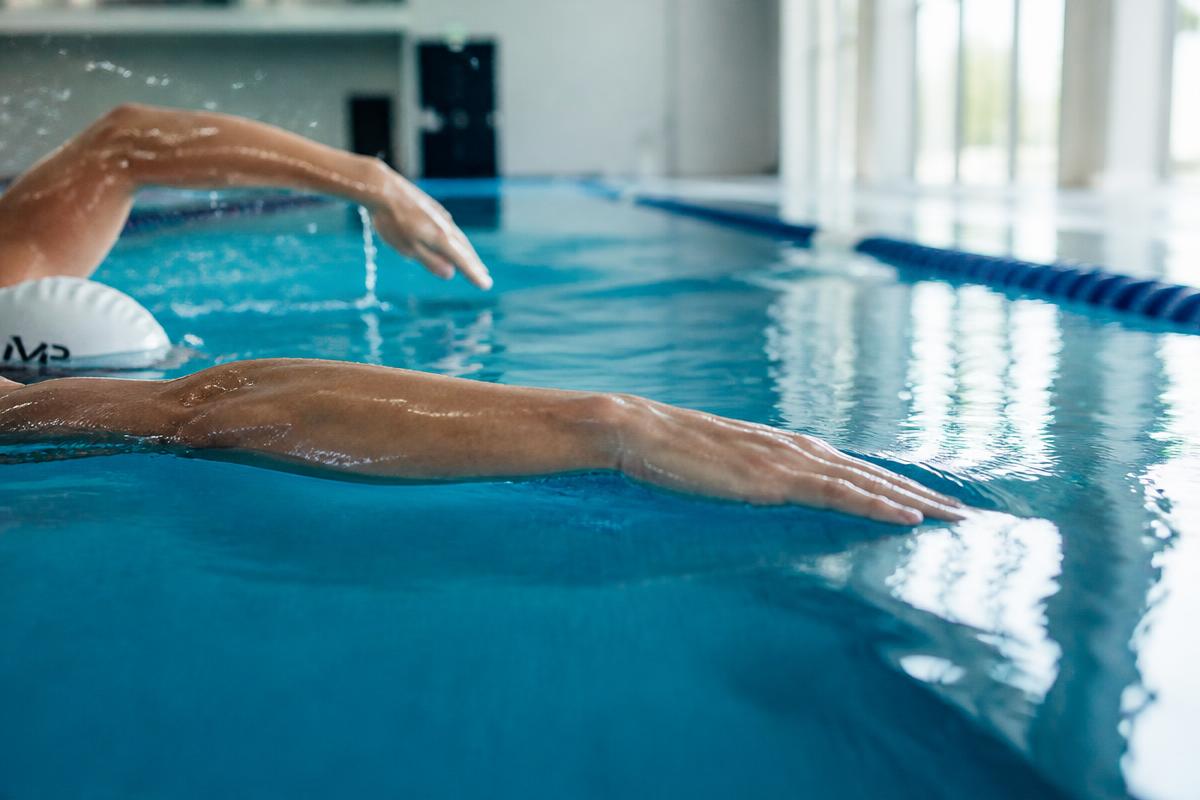
A useful technique to practise is front-quadrant swimming. In simple terms, this means keeping one hand extended in front while the other arm recovers over the water. The lead hand helps to break and part the water before your head, shoulders and body move through it, helping you maintain a longer and more streamlined position.
Avoid allowing both arms to spin continuously like a windmill. Keeping one hand in front for slightly longer can improve balance, encourage a smoother stroke and reduce unnecessary resistance.
Useful drills to practise
- 1.Catch-up drill: pause each stroke until the recovering hand touches the lead hand
- 2.Single-arm swimming: isolate one arm at a time to feel the catch and pull
- 3.Body-position drills: kick on your side or front to find a long, balanced shape
A relaxed kick
Your kick should also be small and relaxed. Keep the legs fairly straight without becoming stiff, and let the movement come mainly from the hips, rather than making large cycling movements from the knees. Relaxed ankles and a light flutter kick will generally be more efficient for longer-distance triathlon swimming.
Dry-land exercises
Some simple exercises away from the pool can also help improve your swimming position. Hanging from a pull-up bar for short periods can help open the shoulders, lengthen the body and improve awareness of a long, straight position. Start with short, comfortable hangs and avoid forcing the shoulders.
Floor exercises can also help. Try lying face down with both arms stretched overhead, practising a long streamlined position similar to the shape you want in the water. Gentle thoracic rotation stretches, shoulder mobility work and hip-flexor stretches can help you rotate more comfortably through the stroke.
Core exercises such as planks, side planks, dead bugs and glute bridges can improve the strength needed to keep the hips from dropping in the water. The aim is not to build large amounts of strength, but to improve body control, posture and stability.
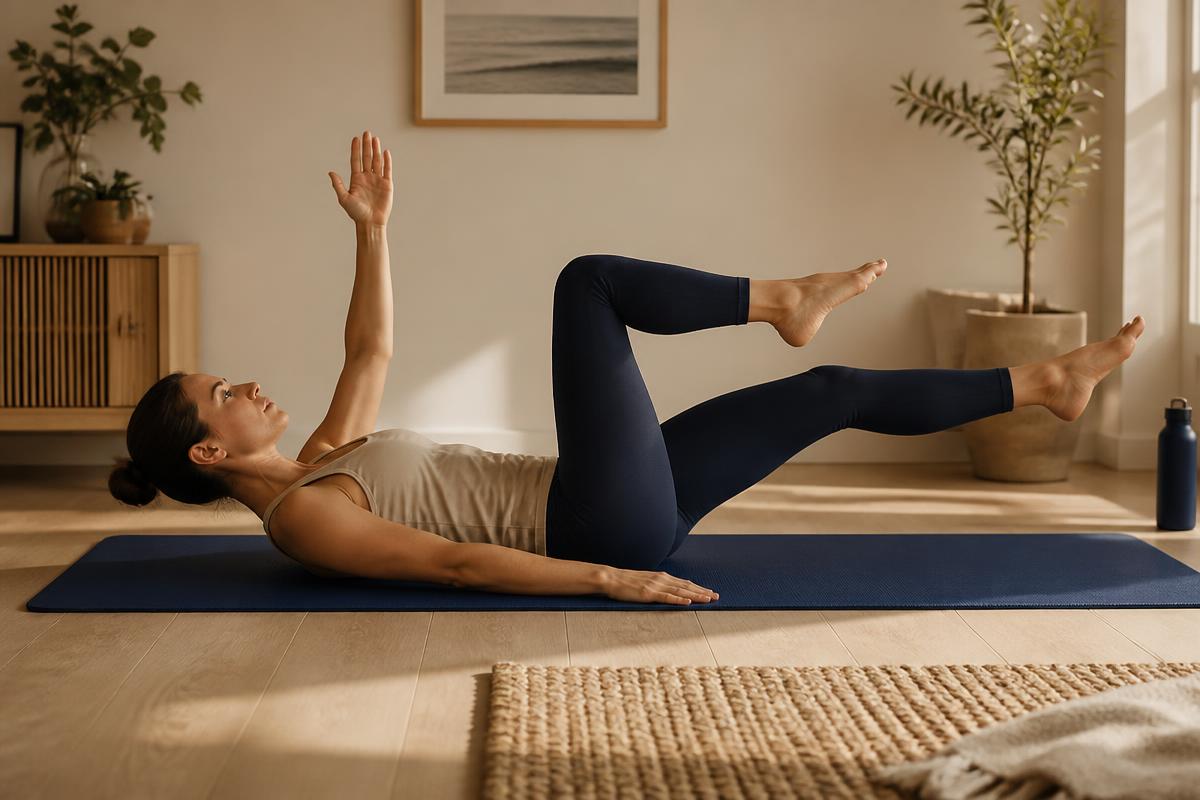
Simple dry-land routine
- ✓Hang from a pull-up bar for short, comfortable periods to open the shoulders
- ✓Lie face down with arms overhead to practise a long, streamlined shape
- ✓Add thoracic rotation, shoulder mobility and hip-flexor stretches
- ✓Build core control with planks, side planks, dead bugs and glute bridges
How to structure your week
Aim for two swims each week: one longer, steady session to build endurance and confidence, and one technique-focused session using drills, shorter controlled repeats and easy swimming. For both Sprint and Olympic-distance triathlon, gradually increase distance while maintaining good form.
The priority should always be efficient swimming first, endurance second and speed later.
Keep exploring
Read more in the Swimming section, or try Breathing Basics for Adult Swimmers if you are working on staying relaxed in the water.