
Open Water Sighting Without Breaking Form
Stay on course and avoid swimming extra metres on race day — with a quick glance every six to eight strokes.
Sighting every 6–8 strokes
In open water, there’s no black line on the bottom of the pool to keep you swimming straight. That’s why learning to sight is such an important skill for beginner triathletes.
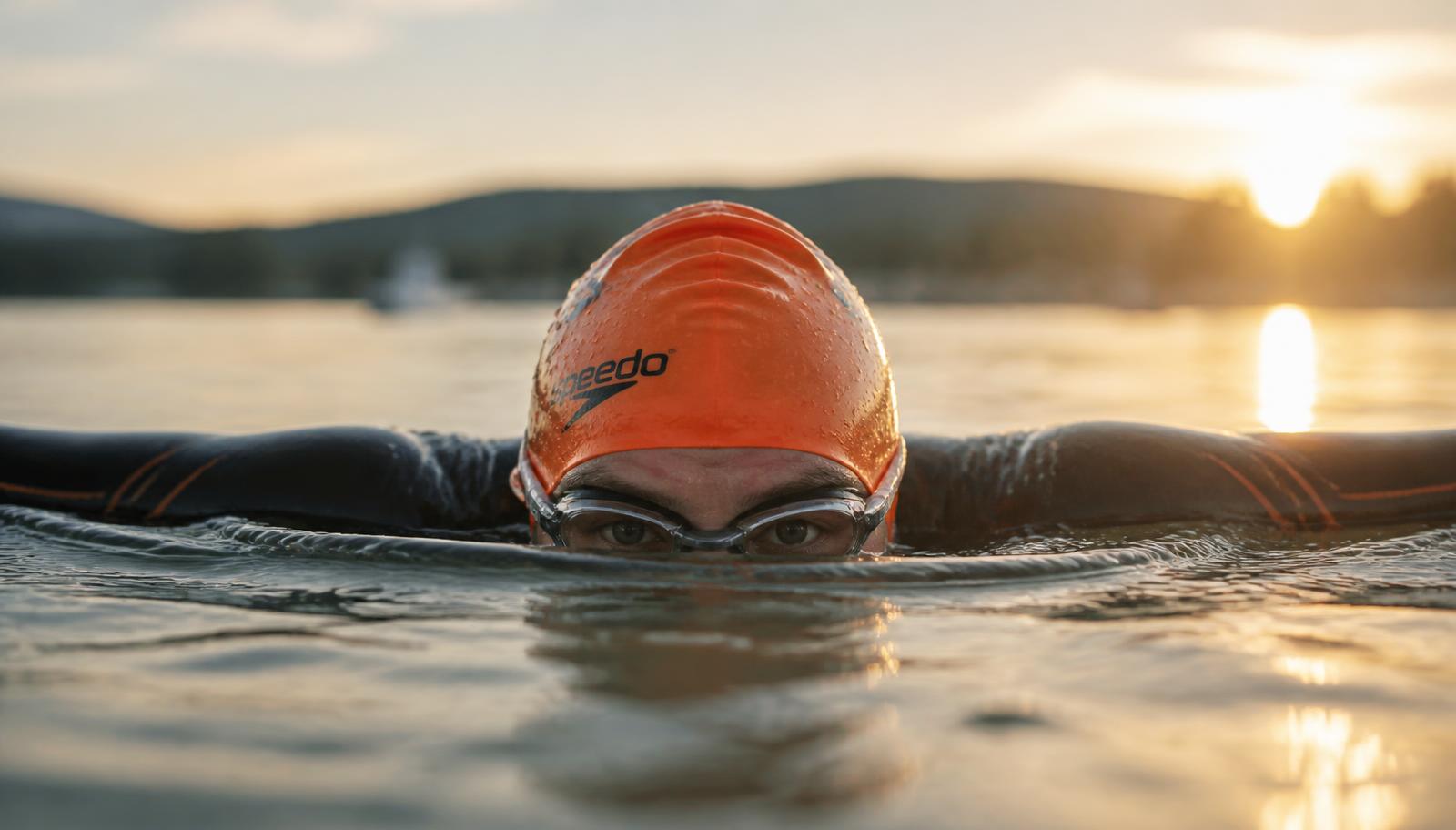
Swim normally and every six to eight strokes, briefly lift your eyes forward to check where you’re going. Look for something easy to spot, such as a large buoy, building, tree or landmark on the shore. You only need to lift your eyes high enough to see ahead — lifting your whole head will make your legs drop and can quickly tire you out.
A useful technique is to look forward first, then turn your head to the side to take your normal breath as you continue your stroke.
Practise in the pool first
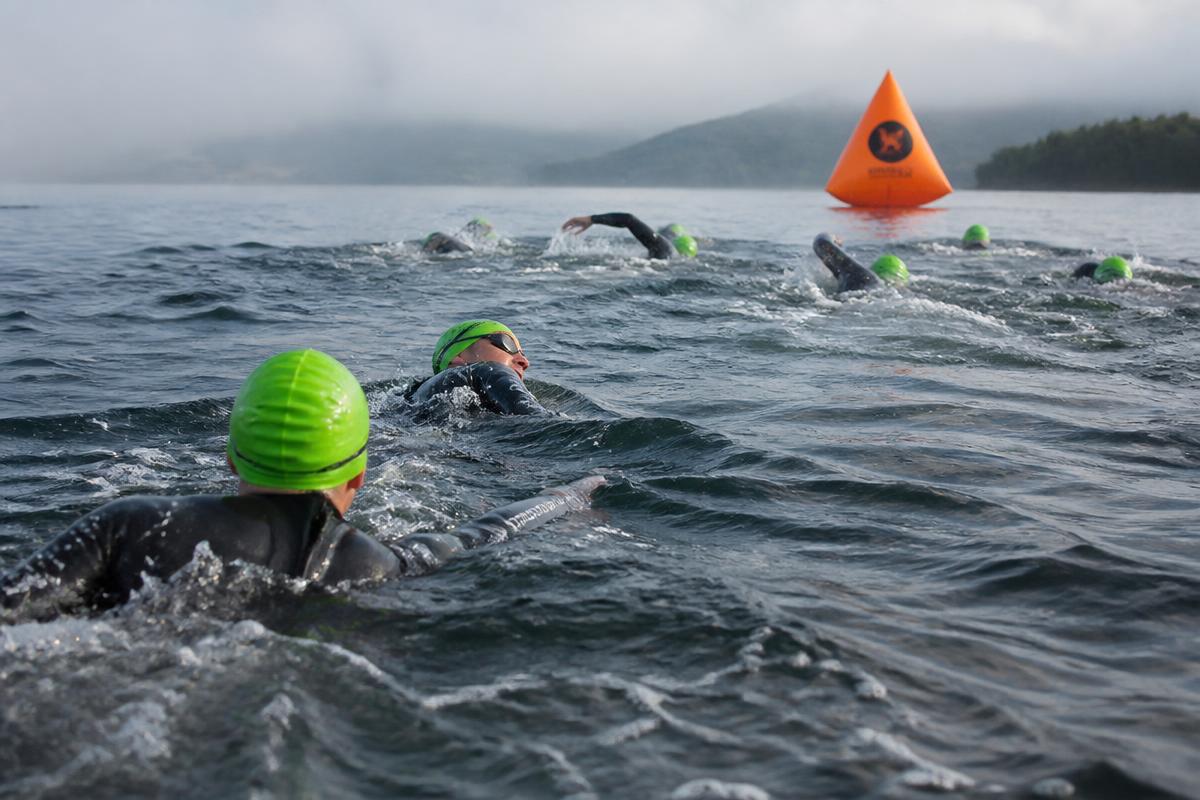
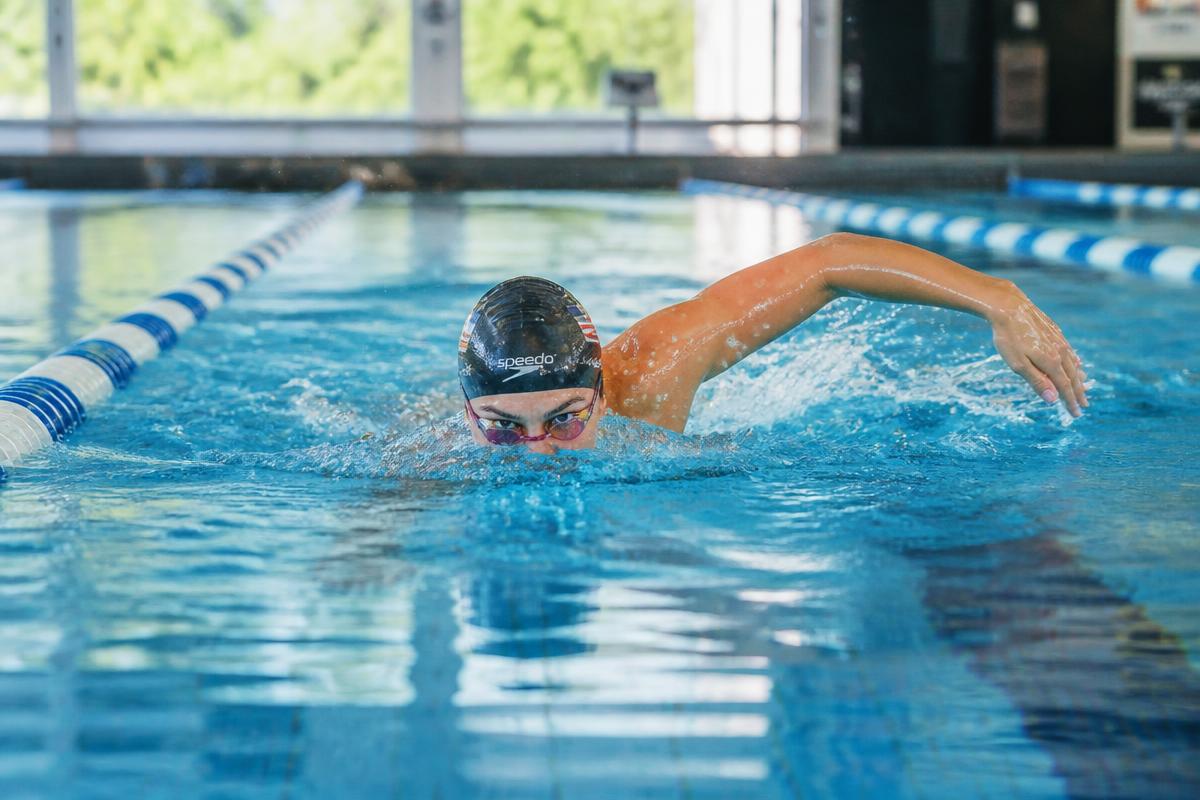
Start by practising sighting in the pool, using something at the end of the lane as your target. Once you move into open water, adjust how often you sight depending on conditions. If you’re swimming straight, you may need to look less often; in waves, currents or a crowded race, you may need to check more frequently.
Focus on: a quick glance, relaxed breathing and returning smoothly to your normal stroke.
Do not assume that the people around you are sighting — they may well be thinking the same.
A simple front-crawl sighting sequence
- 1.Swim your normal stroke and keep your head relaxed in the water.
- 2.As your lead arm stays extended, gently press down just enough to help lift your eyes forward.
- 3.Lift only your eyes and goggles above the water — think “crocodile eyes,” not your whole head.
- 4.Take a quick look at your buoy or landmark. You only need enough time to check your direction. Maybe even a complete stop after a turn buoy to guarantee the right direction.
- 5.Turn your head to the side and breathe as part of the same movement.
- 6.Return your face to the water and continue your normal stroke rhythm.
- 7.Repeat every 6–8 strokes to begin with, adjusting depending on how straight you’re swimming and the conditions.
Keep it small
The key is to make sighting a small addition to your normal stroke, rather than stopping your stroke to look forward. If you lift your head too high, your hips and legs are more likely to drop, creating extra drag.
Keep exploring
Nervous about lakes and crowds? Read Overcoming Open Water Anxiety, or head back to the Swimming section.