
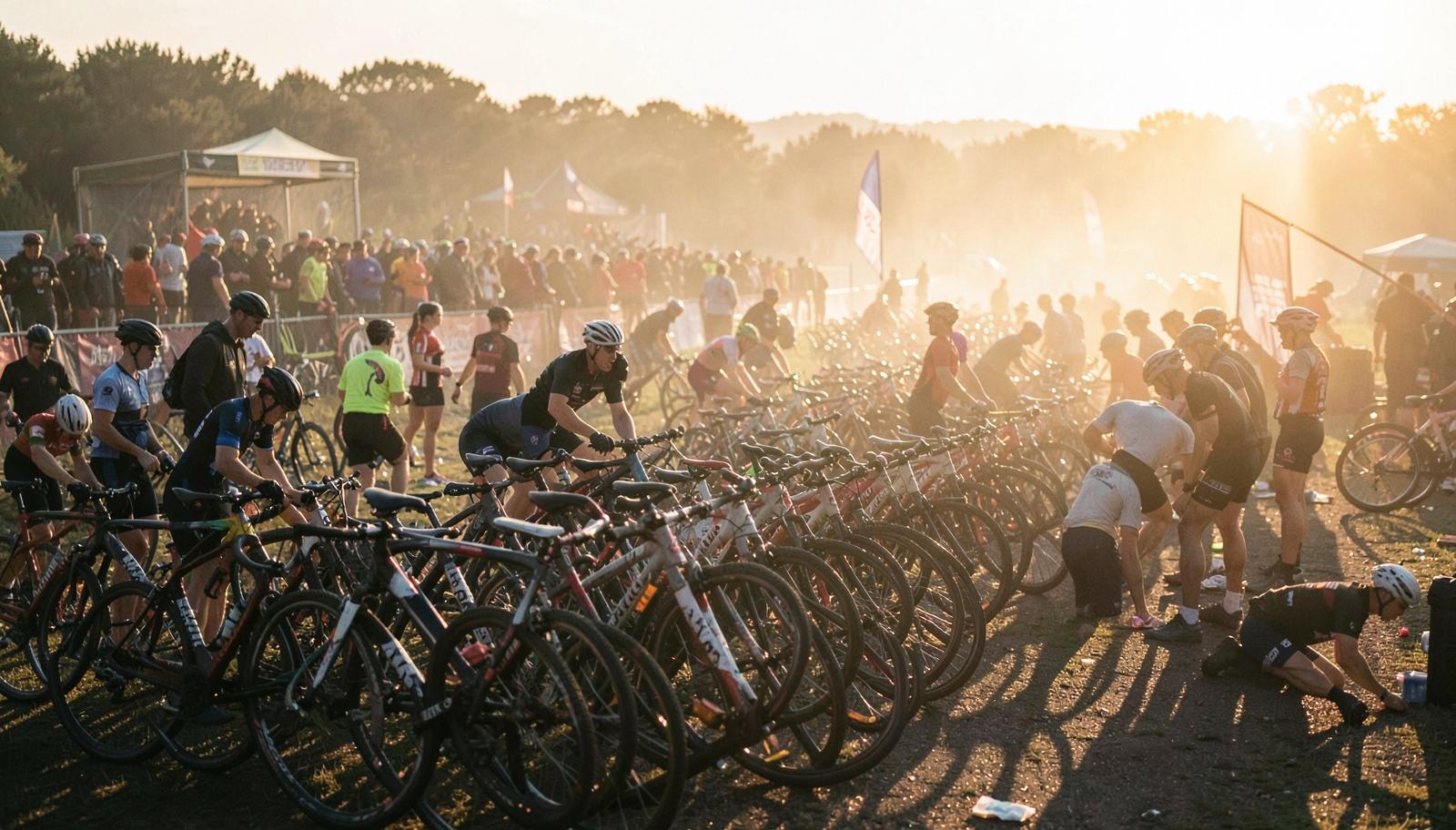
What to Expect at Your First Triathlon
Race day usually follows a simple pattern. Arrive early, stay organised and know what happens next.
Before you even get there
Your first triathlon can feel confusing before it starts, but race day usually follows a simple pattern. The key is to arrive early (use the toilets before the queues start), stay organised and understand what happens next.
At least a week before the big day, take time to read ALL the athlete guides and look at all the courses (swim, bike and run). Use Google Maps to see the bike route, especially any turns, and make sure you know how many run and swim laps there are. Make sure you know when transition opens and closes so you are not caught out.
Registration and check-in
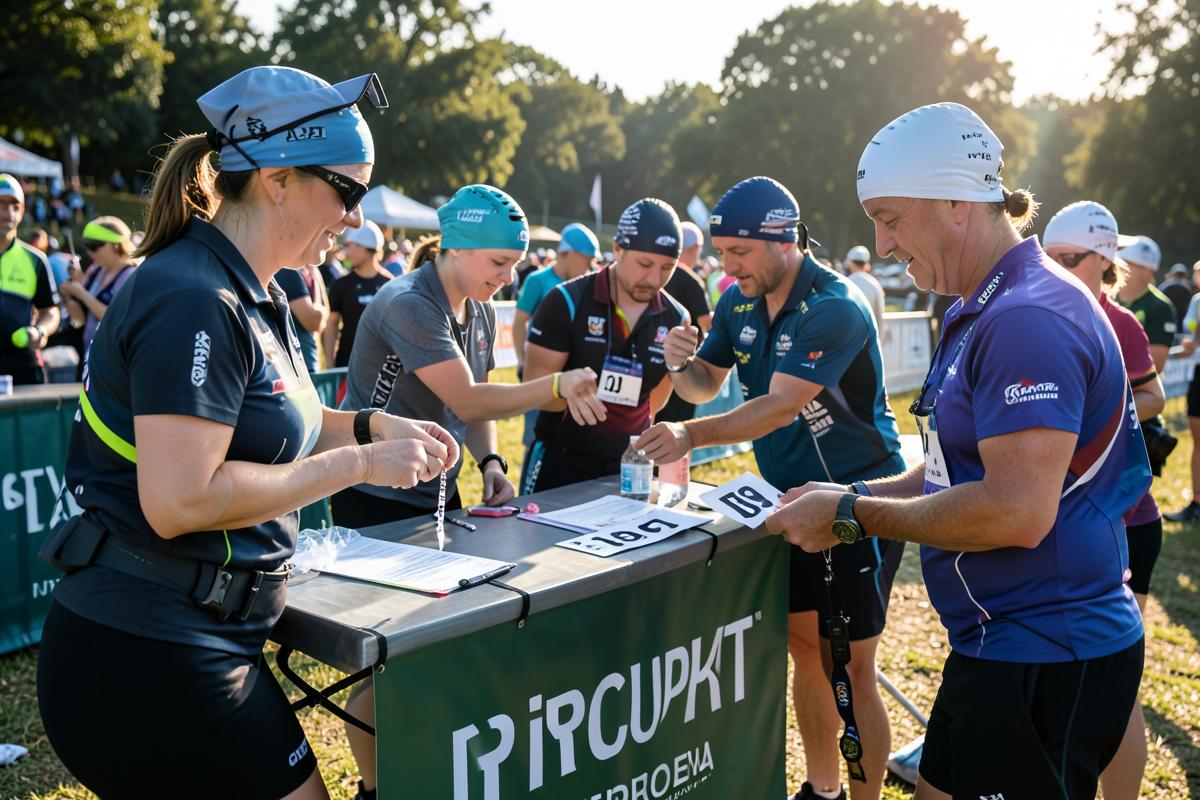
Most events begin with registration or check-in, even if you got a race pack in the post. This may take place on race morning or the day before. You may receive a race number, timing chip, bike and helmet stickers, and sometimes a swim cap. Read the race information carefully so you know where to go and, importantly, what time registration and transition open and close.
Racking your bike
Next, you will enter the transition area and rack your bike. Set out your helmet, cycling shoes, running shoes and any other equipment you need (see our transition information). Keep your setup simple and make sure you know where the swim entrance, bike exit, bike entrance and run exit are located. You may well come into transition feeling a bit fuzzy, so make it simple with minimal thought needed.
The race briefing
Before the start there is normally a race briefing covering safety information, course details and any last-minute changes. Listen carefully, even if you have already read the athlete guide.
Swim, bike, run — how the race flows
The race begins with the swim. This could be a water start (pool or open water) or a beach start where you walk or run into the water. Once you finish the swim, you enter T1 (swim to bike), remove your swim equipment, put on your cycling kit (before you actually un-rack your bike) and head out onto the bike course, getting onto your bike at the mount line.
After the bike, you return to transition for T2 (bike to run). Rack your bike, remove your helmet, change into your running shoes and start the run.
The final discipline is the run, which takes you to the finish line. Do not worry if your transitions are not perfect. Your first race is about learning how everything works.
The night before
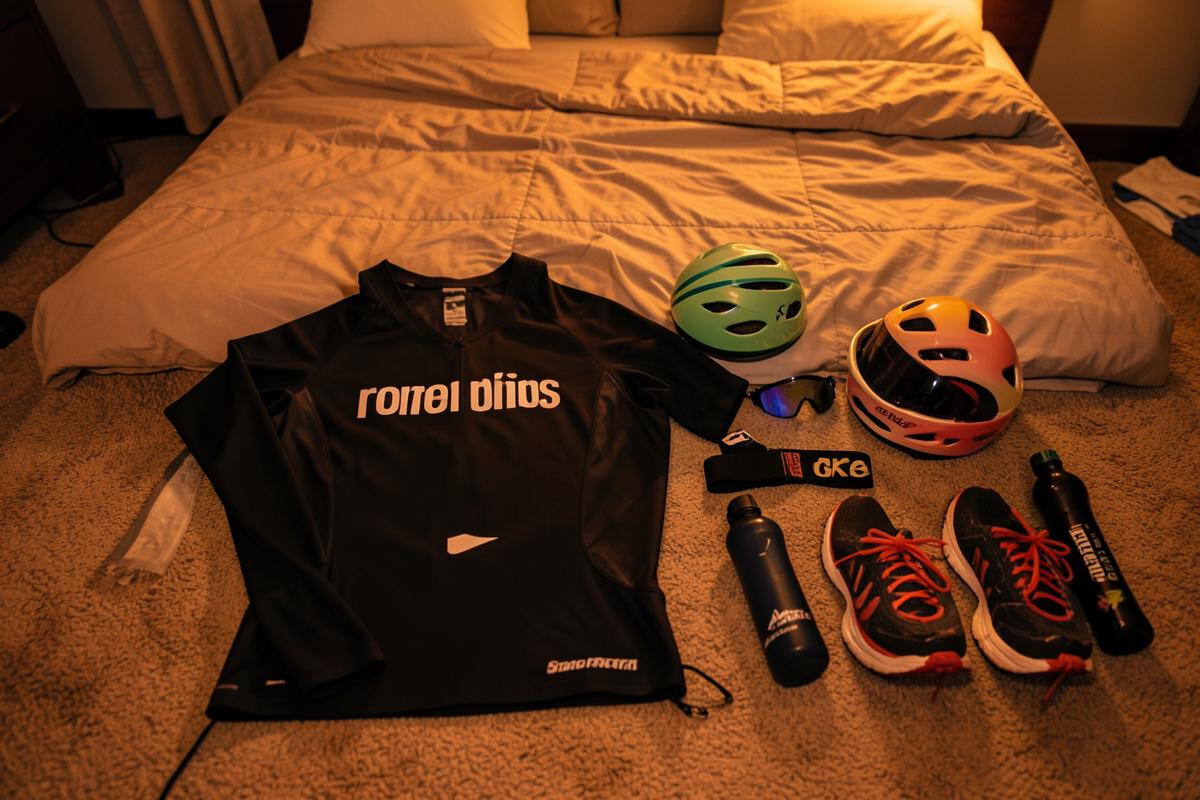
Keep race morning as simple as possible. Lay out everything you need and check it against the race information.
Check your bike, pump your tyres and make sure the brakes and gears are working. Pack the car if possible and set more than one alarm.
Race morning
Eat breakfast — the same as you have eaten before. Do not decide to try anything new. Give yourself plenty of time to travel, park, register and set up transition; this will reduce any stress.
Don't be concerned that you don't have the latest, most expensive bike, or that people seem to know what they are doing. Other athletes will be more than happy to have a chat and provide a bit of guidance — EVERYONE has been the newbie and started their journey at some time.
Once your bike is racked, walk through the route you will take during T1 (swim to bike) and T2 (bike to run). Know where your place is; this will help you find your bike quickly.
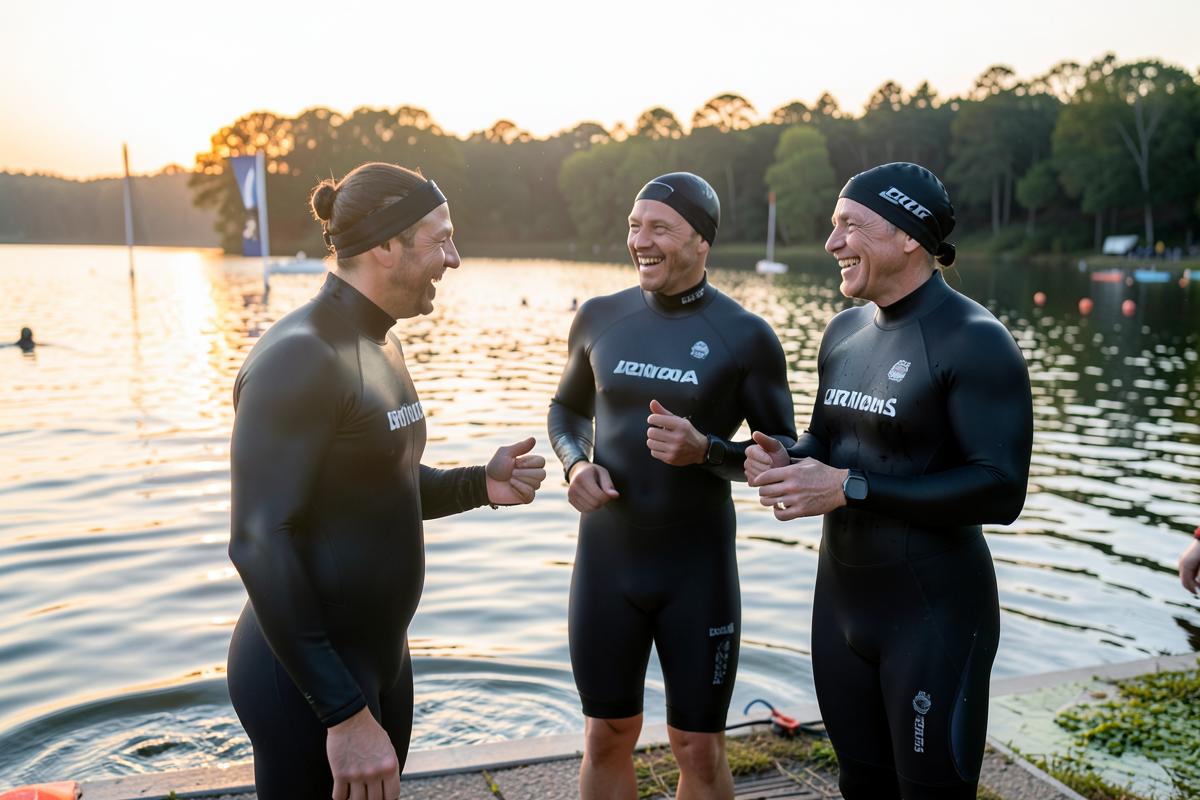
Then try to relax and concentrate on one stage at a time: swim, transition, bike, transition, run. Chat to other athletes as you wait for your start time. Everyone is nervous in their own way and people are mostly happy to chat.
The beginner takeaway
Most importantly, enjoy the experience. Your first triathlon does not need to be perfect. Crossing the finish line and learning from the day is the real achievement.
Keep exploring
Read Race Day Transitions Made Simple next, or browse the Triathlon section.