
Essential Bike Handling Skills for Triathletes
Fitness gets you round the course; handling keeps you safe, saves energy and makes the ride more enjoyable.
Bike fitness is important, but being able to handle your bike confidently and safely is just as important. Good bike handling will help you corner, descend, climb and ride around other athletes without wasting energy or creating unnecessary risk.
Look ahead and plan early
The most important thing is to look ahead and anticipate what is about to happen. See a hill coming? Change gear before it gets too hard. Approaching a corner? Brake before it is too late so you do not lock the wheels. Spot gravel or debris on the road? Move early to avoid it so a small hazard does not end your day.
Braking and cornering
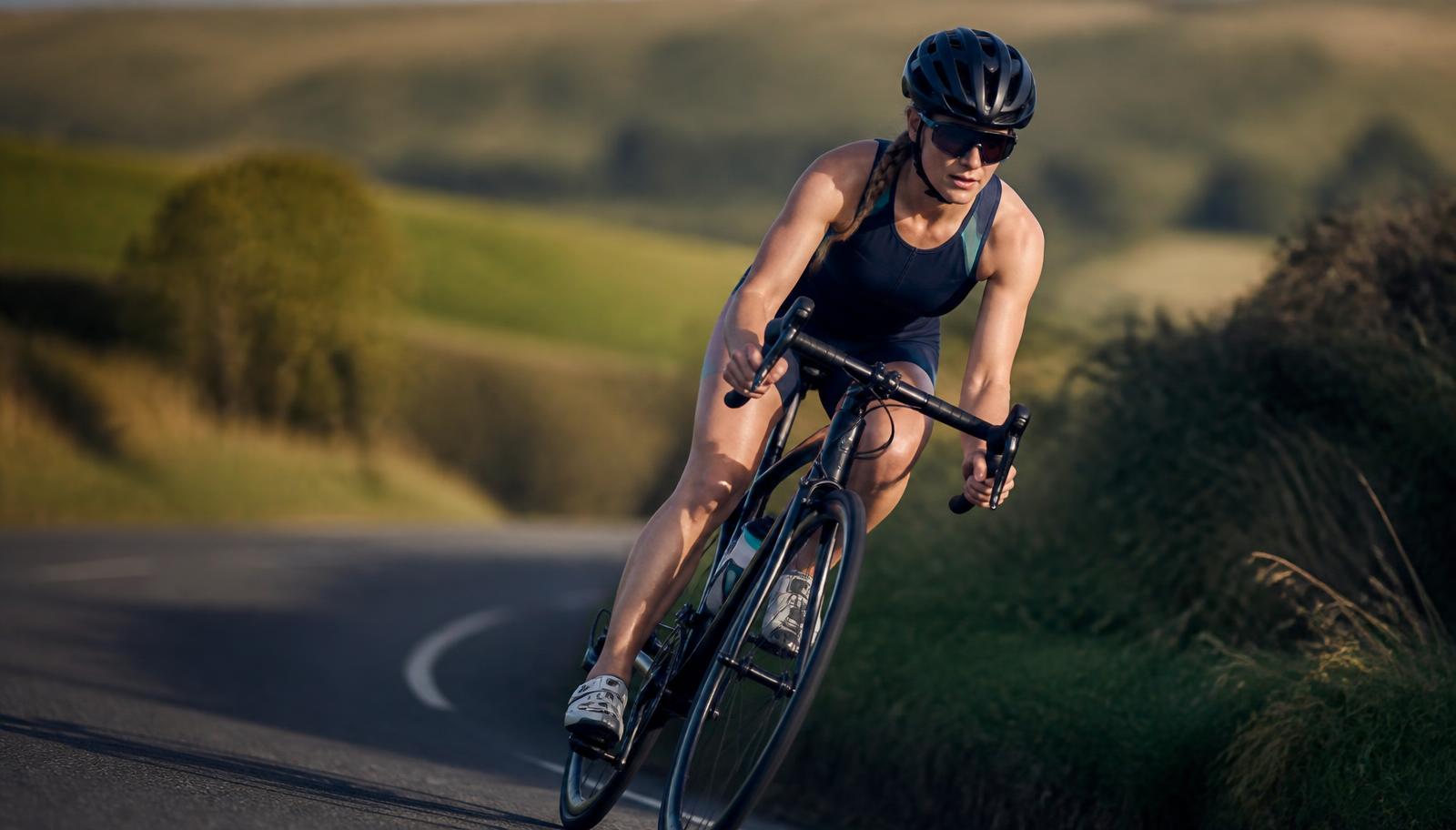
Try to do most of your braking before you enter a corner, rather than braking hard while turning. Look through the corner towards where you want to go, keep your movements smooth and avoid staring at the kerb or obstacle you are trying to avoid.
On a faster corner, keep the outside pedal down and put some weight through it. This helps keep the bike stable and stops the inside pedal catching the road.
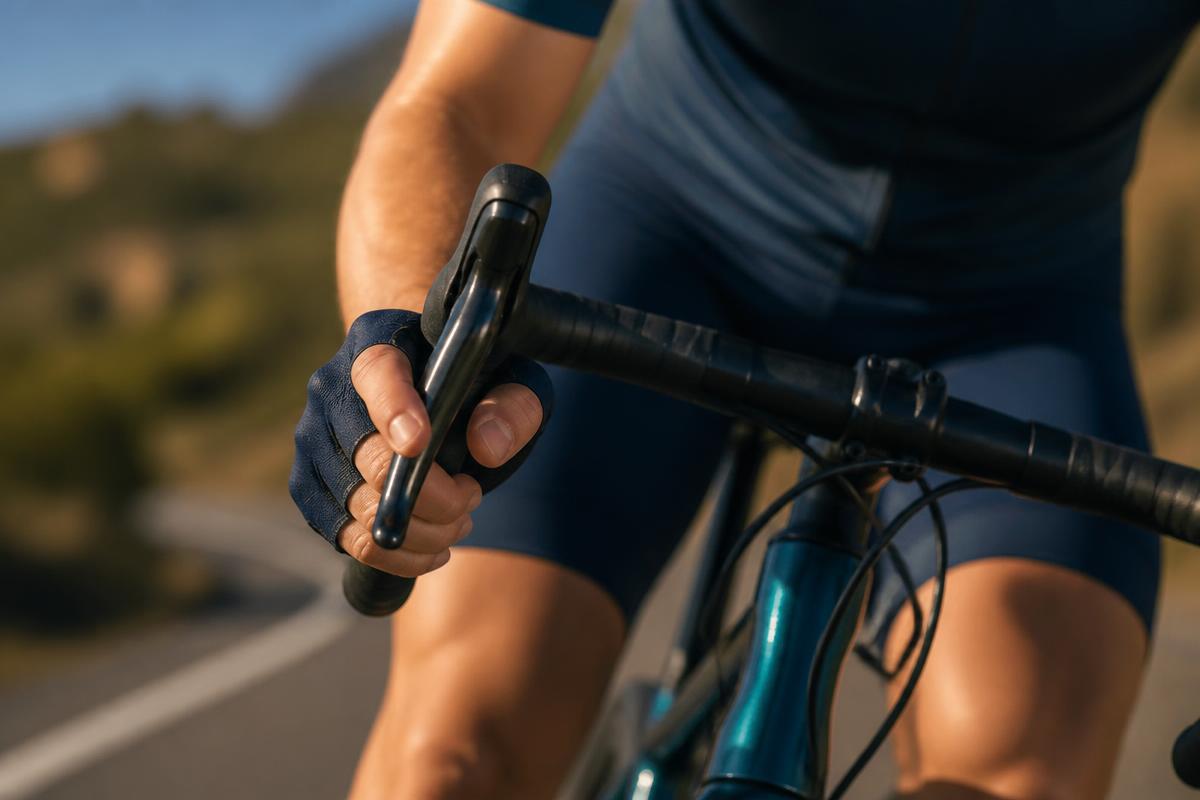
Practise using both brakes smoothly. The front brake provides a large amount of stopping power, but grabbing it suddenly can upset the bike. Build braking pressure progressively.
Riding uphill and downhill
As you approach a hill, change into an easier gear before your legs start struggling. Keep your cadence comfortable and avoid grinding a very hard gear. There is little benefit in attacking every hill during a triathlon if it leaves your legs exhausted for the run.
As you reach the top, do not immediately stop pedalling. Change into a harder gear as the gradient becomes easier and use the downhill to build speed. This is effectively free speed from gravity, so take advantage of the momentum while remaining in control. There may be times when you need a rest, so a downhill section is perfect.
On longer descents, keep looking well ahead. Pedal while you can produce useful speed, but once you are spinning extremely quickly, there is little benefit in chasing an enormous cadence. Concentrate instead on control and preparing for the next corner.
Drinking while riding
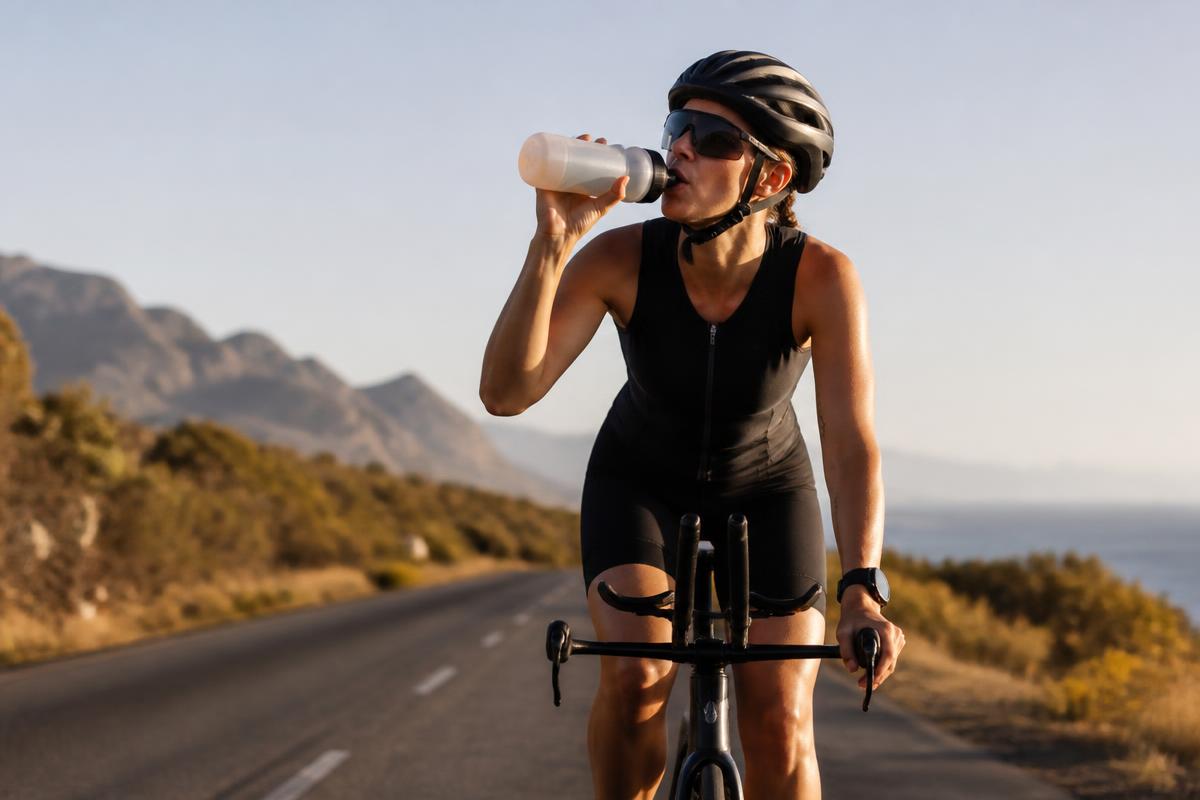
Being able to drink from a bottle while riding is a simple skill, but it should be practised before race day or before riding closely with other people. Start somewhere quiet and safe, or better still indoors while pedalling. Practise taking the bottle out of the cage with one hand while keeping the bike straight, take a drink without looking down for too long, then return the bottle fully into the holder. Make sure it is securely seated before letting go.
Do not wait until race day to discover that you are uncomfortable riding one-handed or that your bottle cage is difficult to use. Smooth bottle handling helps you stay hydrated without losing control or drifting across the road.
I have seen people in long triathlons waiting until an aid station to stop and take a drink, ending up totally dehydrated. The best approach is to drink at regular timed intervals. Before a race, check where the drink stations are so you can plan your liquid consumption and replace your bottle to stay fully hydrated.
Riding around other cyclists
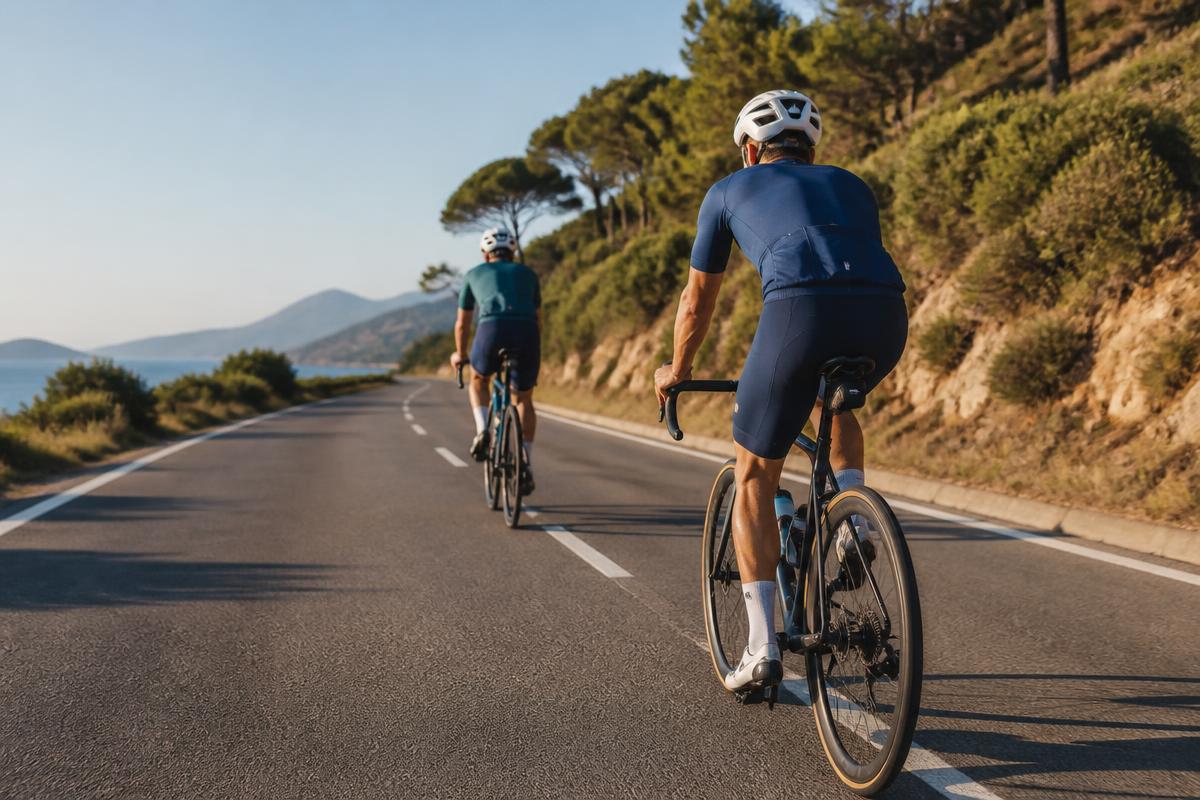
When training with other people, ride predictably. Hold your line, avoid sudden braking and communicate hazards such as potholes or parked cars.
One particularly dangerous mistake is overlapping or crossing wheels. This happens when your front wheel moves alongside the rear wheel of the rider in front. If they move sideways unexpectedly, their rear wheel can touch your front wheel and you are much more likely to fall. Keep a safe gap and do not allow your front wheel to overlap theirs.
Remember that many Sprint and Olympic triathlons are non-drafting races, so riding closely in a pack may be against the race rules. Always read the event information and understand the drafting rules before race day.
The best way to improve
The best way to improve bike handling is simple: practise regularly outdoors. Quiet roads or safe cycling areas are ideal for rehearsing braking, cornering, gear changes, climbing and descending until they become automatic.
The key takeaway
Handling matters as much as fitness. Smooth braking, confident cornering, relaxed one-handed riding and safe group etiquette will keep you safe, save energy and make every ride more enjoyable.
Keep exploring
Find more cycling advice in the Cycling section, including Pacing the Bike Leg and Roadside Repairs You Should Know.